

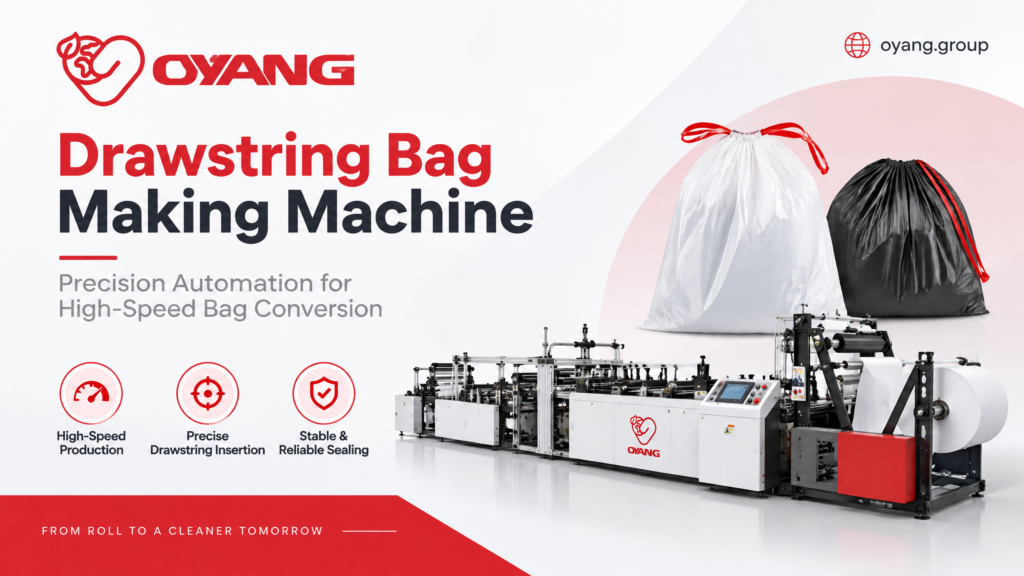
Drawstring Bag Making Machine: Industrial Automation for Nonwoven & PE Converting
Engineered to eliminate manual threading bottlenecks, OYANG’s automated drawstring bag making machine integrates inline top-edge hem folding, continuous rope threading, servo-driven handle hole punching, and ultrasonic cross-sealing into a continuous pass running at 40–120 pcs/min. Whether configured for high-end reusable nonwoven gift pouches or deployed as a heavy-duty drawstring garbage bag making machine converting multi-layer PE film rolls, the platform ensures precise web tracking, hermetic seal integrity, and dynamic rope tension regulation within ±0.03%.
Kinematic Failure Diagnostics: Resolving Speed & Threading Bottlenecks
Converting draw-tape and drawstring bags at commercial scale poses unique mechanical challenges that low-tier machinery cannot stabilize. Industrial production audits highlight three primary mechanical failure modes:
1. Rope Buckling & Thread Jamming
Feeding braided polyester or extruded PE draw-tape into the hem tunnel at high linear velocities creates friction-induced tape twisting. Passive feeding rails cause the cord to bunch inside the top hem, jamming the cross-cutting jaws and stopping the line.
2. Sealing Burn-Through on Thin Gauges
On high-capacity drawstring garbage bag making machine operations utilizing 12–25 μm HDPE/LDPE blends, thermal seal bars fluctuate ±5°C. Excessive dwell times burn through the film pocket, while insufficient heat fails to weld the gusset corners, causing garbage rupture.
3. Punch Die Deflection at Hem Overlaps
Stamping drawstring access notches through 4-layer folded nonwoven or multi-layer film induces severe mechanical shock. Fabricated plate frames deflect under dynamic loads, wearing out the punch dies and leaving unsevered fibrous strands in the cord opening.
OYANG resolves these kinematic constraints by deploying dual-servo tape unwinds, PID-modulated heat management, and heavy-duty tool steel dies housed in OKUMA CNC-machined structural casting walls.
Platform Architecture: OYANG Multi-Format Drawstring Converting System
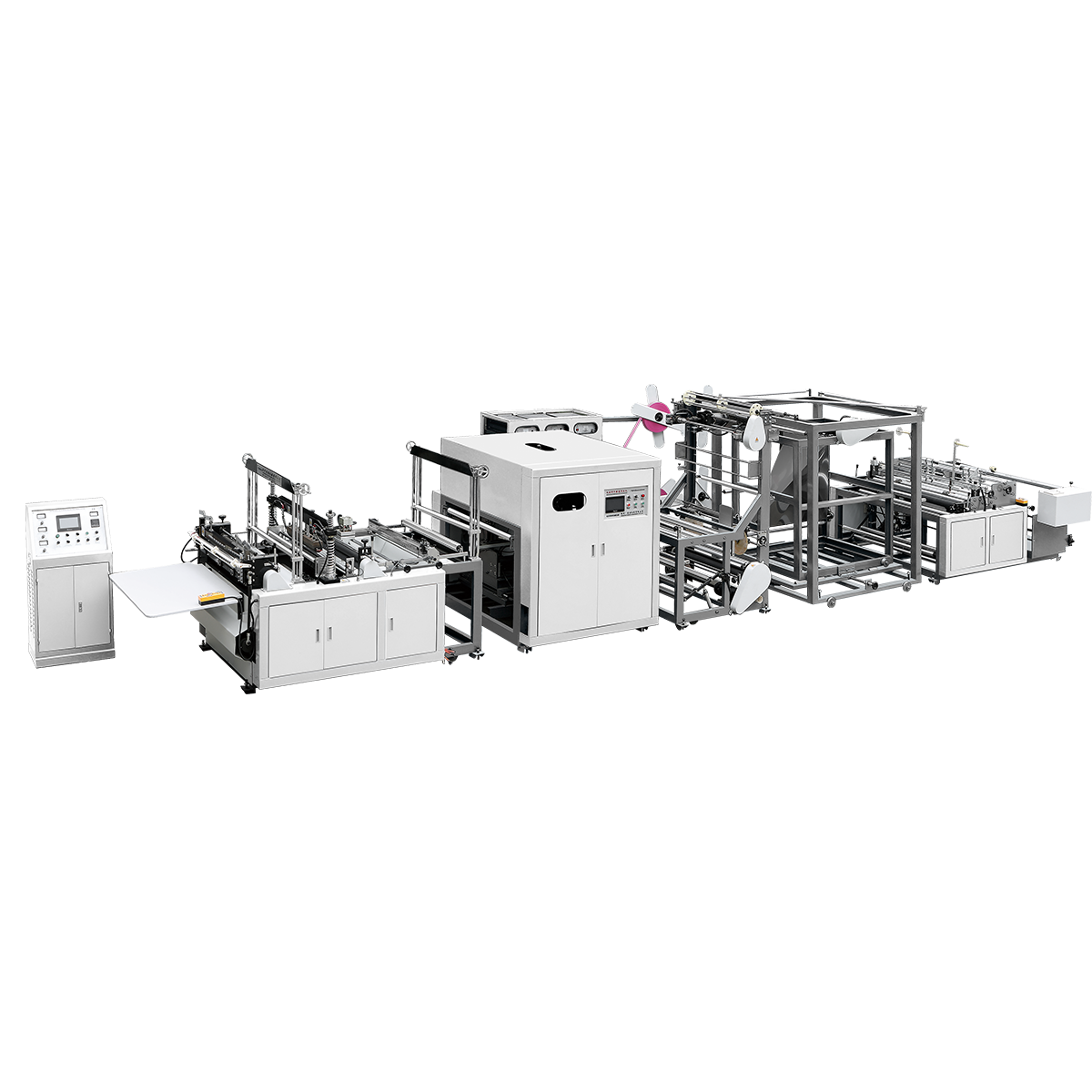
Figure 1: Fully Automated Continuous Drawstring Bag Making Platform with Inline Hem Folding and Ultrasonic Sealing.
The OYANG XC700 / XB700 platform configures drawstring production as a continuous modular process. Master parent rolls are guided through continuous edge-position control (EPC), split into dual top-hem folds, automatically threaded with flexible cord or flat draw-tape, punched with precision notches, ultrasonically welded across side hems, and delivered stacked or continuous-perforated onto rewind shafts.
Engineering Specifications: Nonwoven & PE Drawstring Configurations
Compare technical parameters across industrial nonwoven gift/retail bag machinery and continuous draw-tape film lines:
| Machinery Category | Rated Operating Speed | Bag Width & Length Range | Applicable Substrates | Sealing & Threading System |
|---|---|---|---|---|
| Nonwoven Drawstring Bag Platform (XC700 Series) | 40–70 pcs/min | Width: 200–500 mm | Length: 250–500 mm | 30–90 gsm PP Spunbond Nonwoven | 20kHz Auto-Tuning Ultrasonic Horns |
| High-Speed Drawstring Garbage Bag Converting Line | 80–120 pcs/min (Roll-to-roll) | Width: 350–700 mm | Length: 400–850 mm | 12–35 μm HDPE, LDPE, Recycled PE | Continuous Rotary Thermal Bar & Perforator |
| Turnkey 5-in-1 Multifunction Center (XB700 Series) | 40–100 pcs/min | Width: 100–800 mm | Length: 200–580 mm | 30–100 gsm Nonwoven & RPET | Modular Drawstring + D-Cut / W-Cut Station |
Shop Floor Economics: OpEx Reductions via Automated Inline Threading
In conventional small-format pouch and bag plants, operators convert flat bags on standard machines, then manually thread ropes through pre-sewn hems with hand needles. This manual secondary step introduces heavy labor expenses:
Quantifiable Operational Cost Comparison (Annual Production of 5,000,000 Bags)
- Manual Post-Threading Process: Requires 4 dedicated manual threading workers producing ~600 bags/worker/shift. Annual shop floor labor burden: $45,000 – $70,000+.
- OYANG Automated Inline Solution: Requires 1 operator to oversee material roll unwinding and final box packing. Machine labor expenditure: ≤ $15,000.
- Direct Annual Savings: $30,000 – $55,000+ per year, yielding a full CapEx payback on the automated machinery upgrade in approximately 7 to 10 months.
Manufacturing Precision: Japanese OKUMA & MAZAK CNC Machining Standards
High-speed thermal welding and automated rope feeding require vibration-free mounting frames. At OYANG’s 130,000 m² smart production center, all structural components are produced to aerospace tolerances:
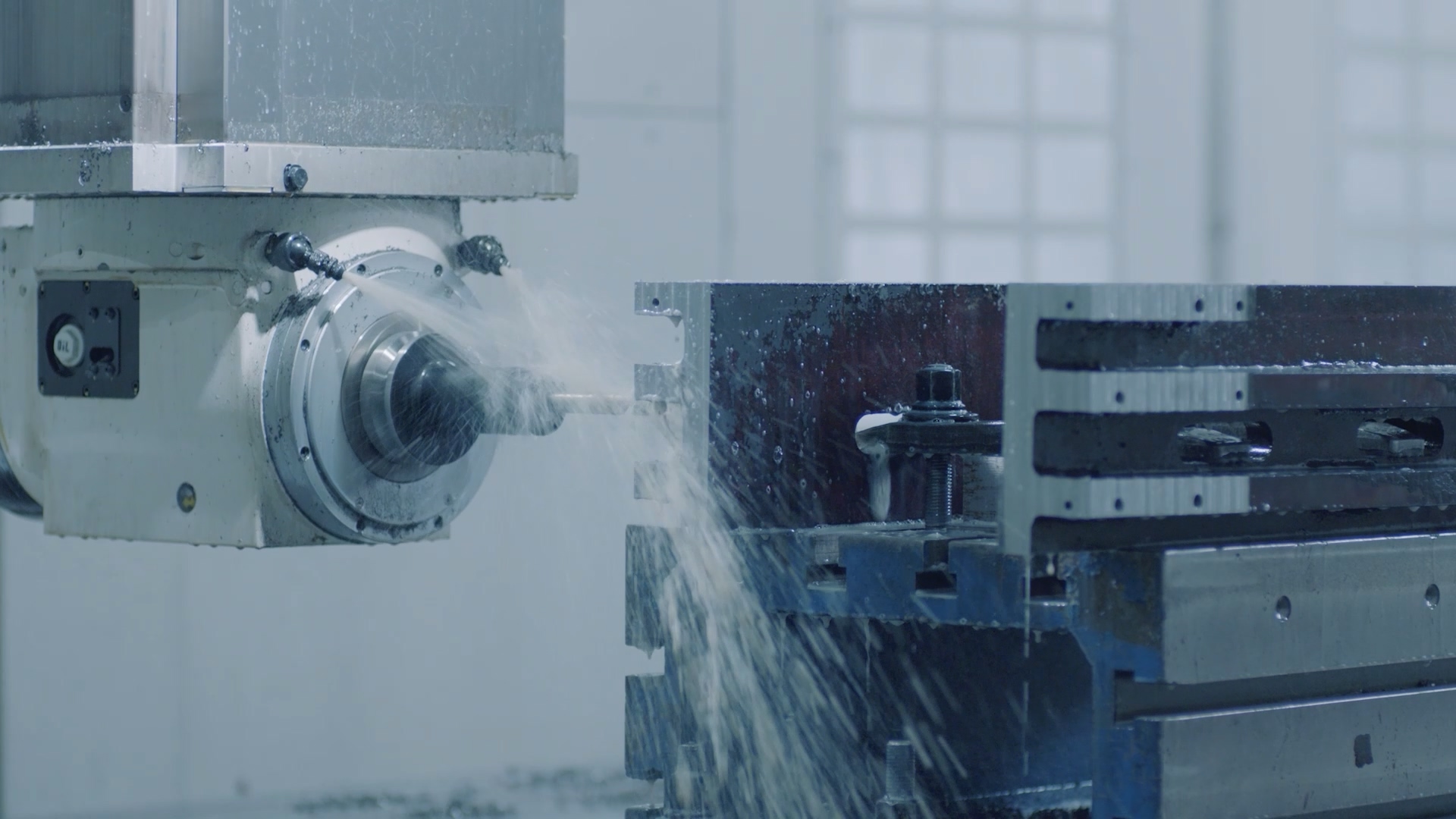
- Solid Frame Wall Milling: Tool mounting plates and chassis panels are machined on Japanese OKUMA CNC centers to a flatness tolerance of ≤ 0.015 mm, eliminating punch tilt and bearing binding.
- Dynamic Sonotrode Balancing: 20 kHz ultrasonic transducers feature computerized impedance matching to deliver stable resonance across long operating cycles.
- Tension-Compensated Rotary Punches: Servo-driven circular notch punches maintain sharp, clean perimeter cuts without tearing thin 15 μm garbage film or fraying nonwoven fabric.
Verified Machine Operation & Technical Documentation
Watch automated inline drawstring formation, ultrasonic edge welding, and finished bag stack extraction:
Related Technical Resources & Equipment Benchmarks
Explore complementary converting systems and horizontal machine benchmarks in our manufacturing cluster:
- 5 in 1 Non Woven Bag Making Machine: OYANG XB700 Multi-Format Automation — In-depth kinematic analysis of inline D-cut, U-cut, and soft-loop handle pouch conversion.
- Best Non Woven Bag Making Machine: Brands Benchmarked & Kinematic Analysis — Compare chassis rigidity, ultrasonic transducers, and long-term OEE across leading international manufacturers.
Frequently Asked Questions (FAQ)
How does the drawstring bag making machine automate the rope threading process?
The machine unwinds parent cord or extruded draw-tape simultaneously with the main fabric. Dual hem folders wrap the top edges over the traveling ropes, continuous ultrasonic or thermal sealers lock the hem channel without trapping the cord, and intermittent notch cutters create center openings for draw-loop access before side-sealing.
What substrates can run on a drawstring garbage bag making machine?
A continuous draw-tape trash bag line processes high-density polyethylene (HDPE), linear low-density polyethylene (LLDPE), and recycled post-consumer PCR films ranging from 12 to 35 microns. Specialized nonwoven drawstring configurations handle 30 to 90 gsm PP spunbond fabrics for laundry and gift sacks.
What is the average production speed for drawstring bags compared to flat bags?
Because drawstring conversion requires hem folding, continuous rope insertion, and notch punching, nonwoven production speeds typically range from 40 to 70 pcs/min, compared to 90–100 pcs/min for standard flat bags. Continuous PE film garbage bag lines with rotary tooling can achieve up to 80–120 pcs/min on roll-perforated rewind setups.
How does the machine prevent the drawstring from being welded inside the side seam?
OYANG systems utilize mechanical cord lifters and tension-timed clamp arms that temporarily displace the internal cord away from the ultrasonic or hot-wire cutting anvil during the transverse cross-sealing cycle, ensuring the finished drawstring slides smoothly through both channels.