350x97.png)
High-Speed Paper Cutlery Machine & Automatic Paper Plate Making Machine
Designed to eliminate the high energy consumption and loose fiber defects of traditional wet pulp molding, OYANG's integrated paper cutlery machine and automatic paper plate making machine deliver automated roll-to-tableware converting at rates up to 400 pcs/punching (die cutting) and 110 pcs/cycle (forming). By synchronizing multi-layer aqueous laminating with servo thermal press molds machined to ≤ 0.015mm tolerance, our lines produce ultra-rigid, 100% plastic-free biodegradable knives, forks, spoons, and heavy-duty plates with zero wastewater emission.
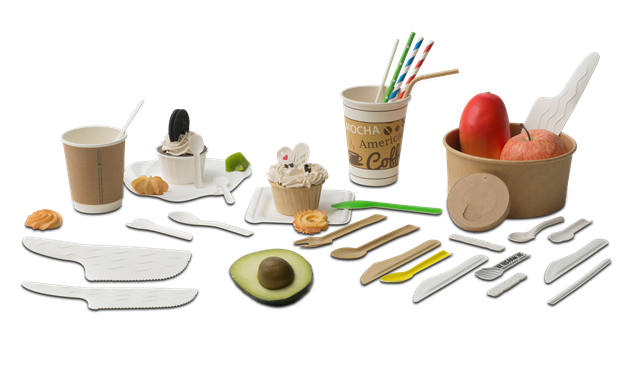
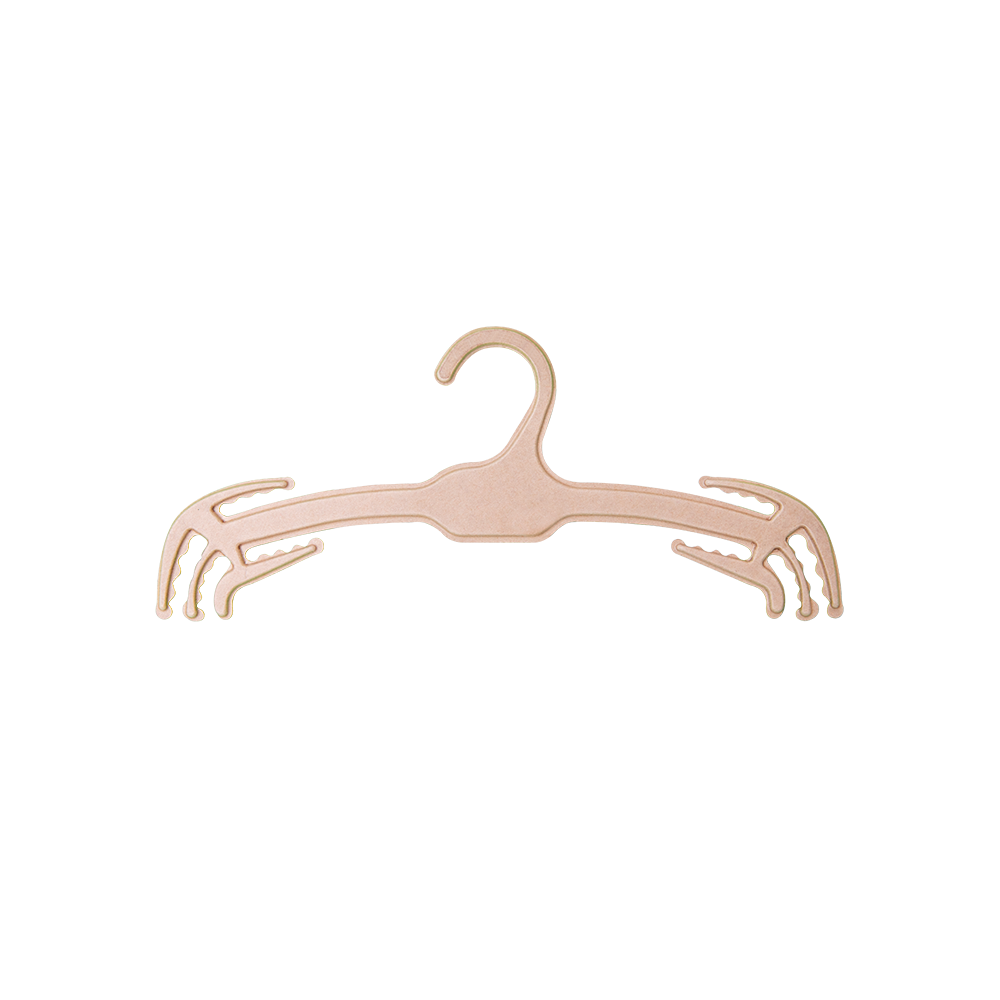
High-stiffness paper knives, forks, spoons, plates, and eco-friendly hangers.
From multi-layer roll gluing to high-precision die cutting, thermal forming, and drying.
PART I: 400 pcs per punching. PART II: 110 pcs per forming cycle.
A complete, modular line built for high-output sustainable tableware factories.
Two Core Units Powering Your Paper Cutlery & Plate Production
Our modular design allows you to configure the ideal setup. PART I handles raw material preparation, laminating, and die cutting, while PART II executes high-precision thermal forming, edge sealing, and drying.

OYANG 8-350 Multi-Layer Laminating & Die Cutting Machine
The foundational unit for both our paper cutlery machine and automatic paper plate making machine. It coats multiple paper rolls with eco-friendly water-based glue or plastic-free barrier coatings, hot-presses them into high-stiffness sheets, and die-cuts semi-finished blanks.

OYANG 9-350 Paper Forming & Sealing Machine
This high-precision unit receives die-cut blanks and utilizes automated vacuum manipulators to feed them into thermal forming molds. It delivers the final heat-setting, optional edge gluing, drying, and neat stacking of finished paper cutlery or plates.
Paper Cutlery & Plate Production Process
The complete production line integrates PART I (laminating & die cutting) and PART II (forming, sealing, and drying) to transform raw paper rolls into premium biodegradable tableware.

Laminating & Die Cutting Section
Multiple paper rolls are coated with environmental water-based glue or plastic-free coating paper, then hot-pressed and laminated before die cutting. The die cutting mold is replaceable, and semi-finished blanks are discharged by conveyor.
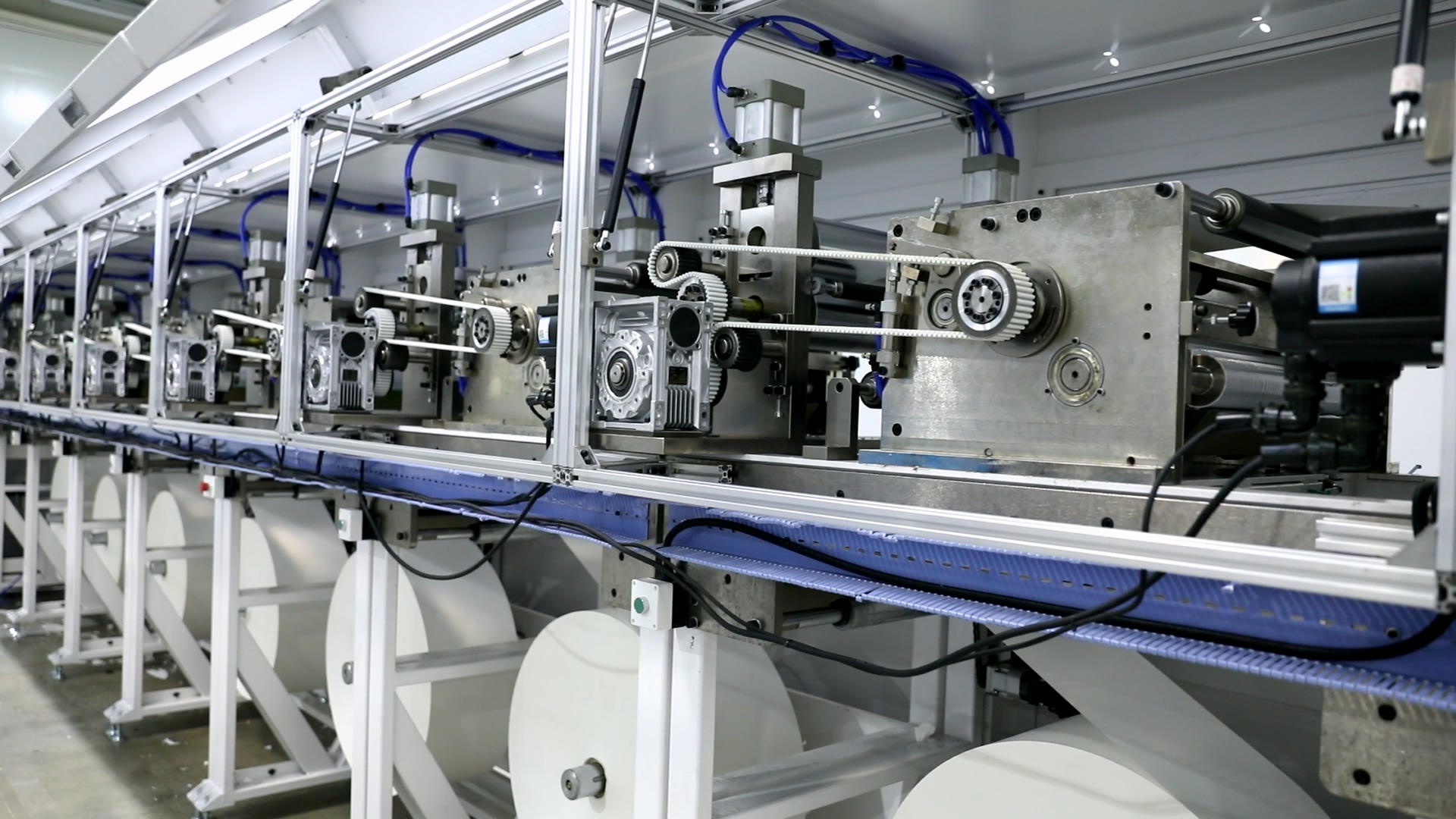
Single Layer Gluing
Each paper roll is coated with environmental glue or plastic-free coating.
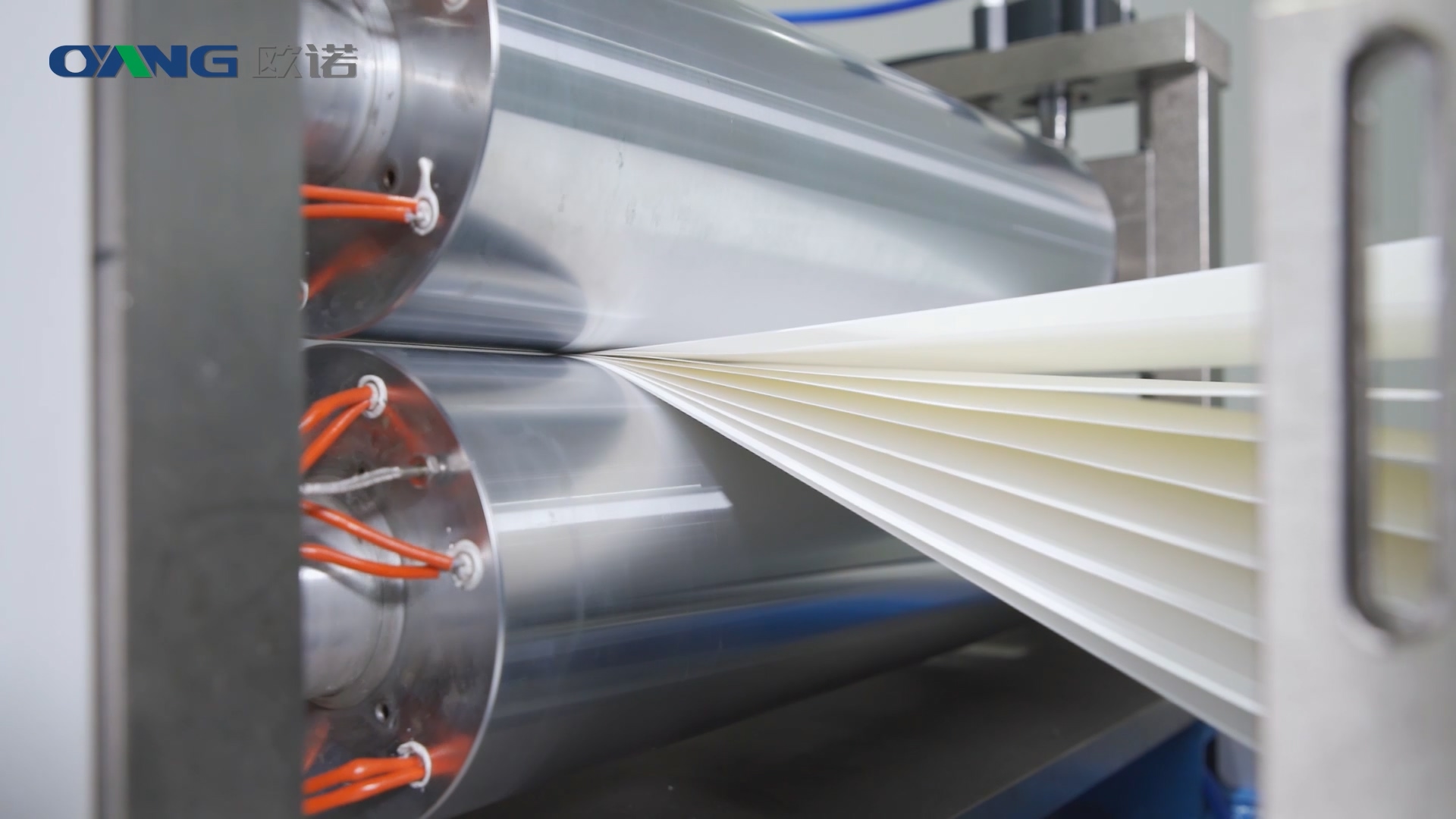
Hot Press Laminating
Multiple paper layers are hot-pressed into one high-stiffness composite sheet.
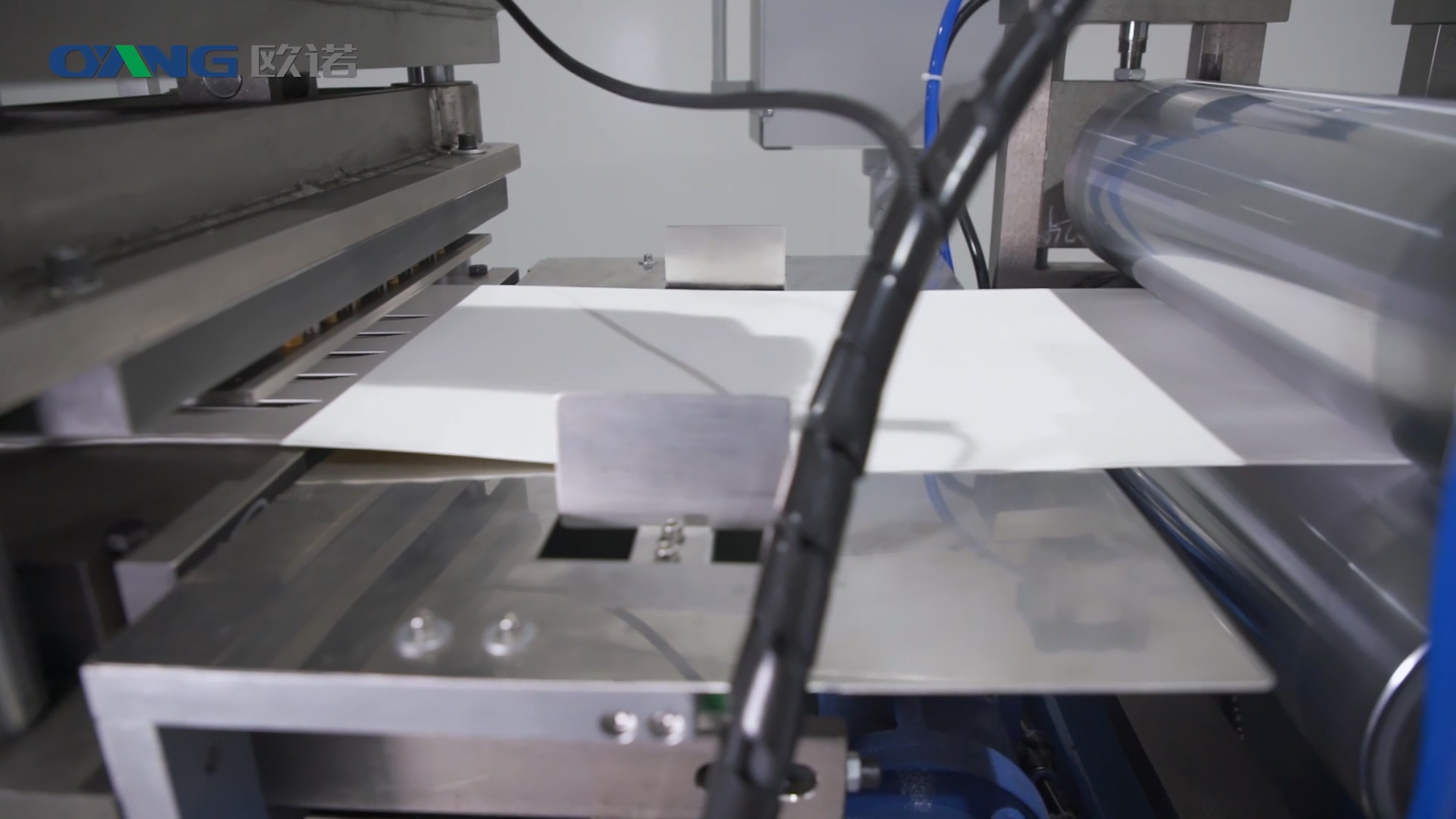
Die Cutting
The replaceable die cutting mold cuts blanks for knife, fork or spoon forming.
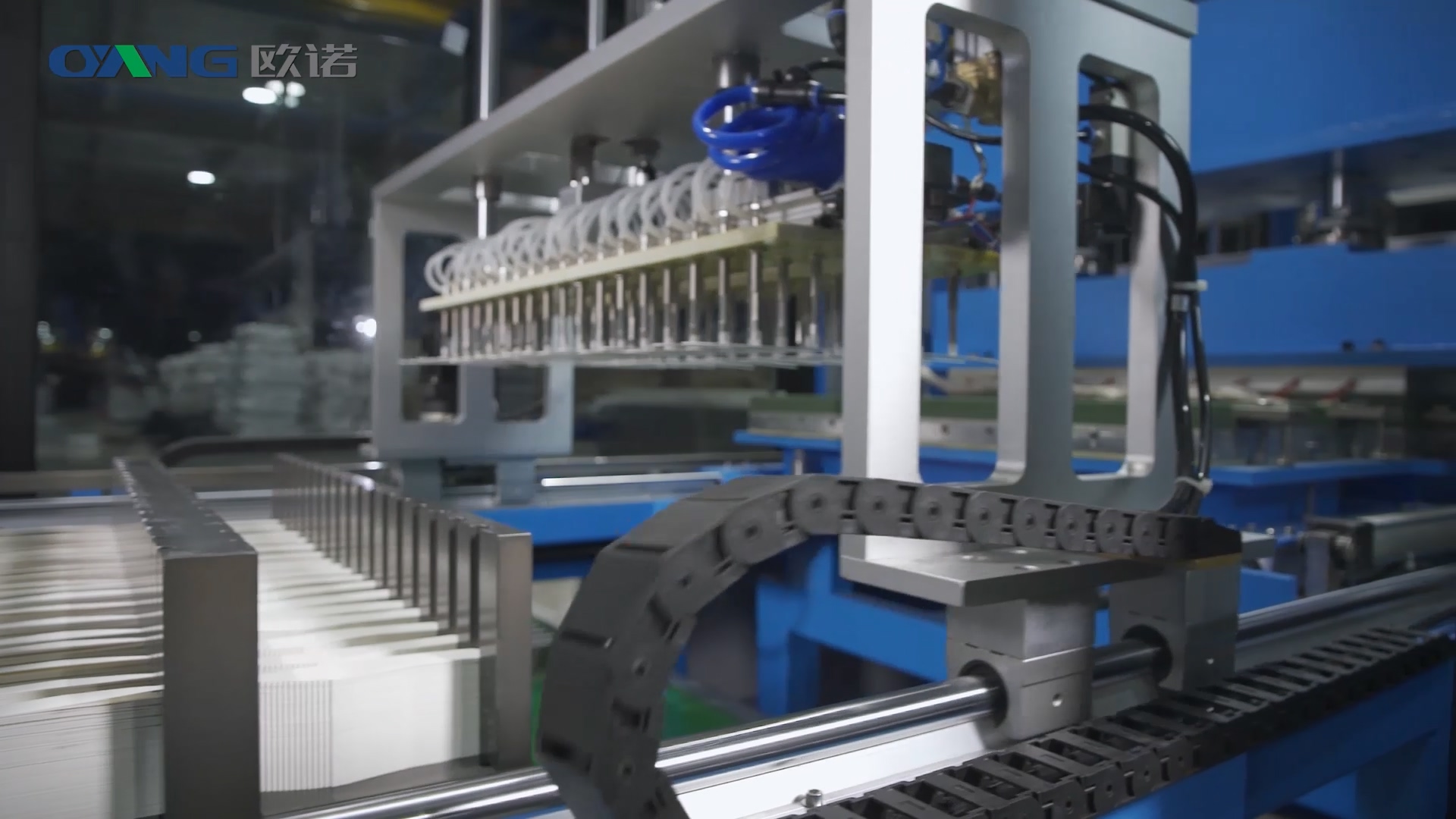
Stacking
Die-cut semi-finished blanks are stacked and prepared for the next process.
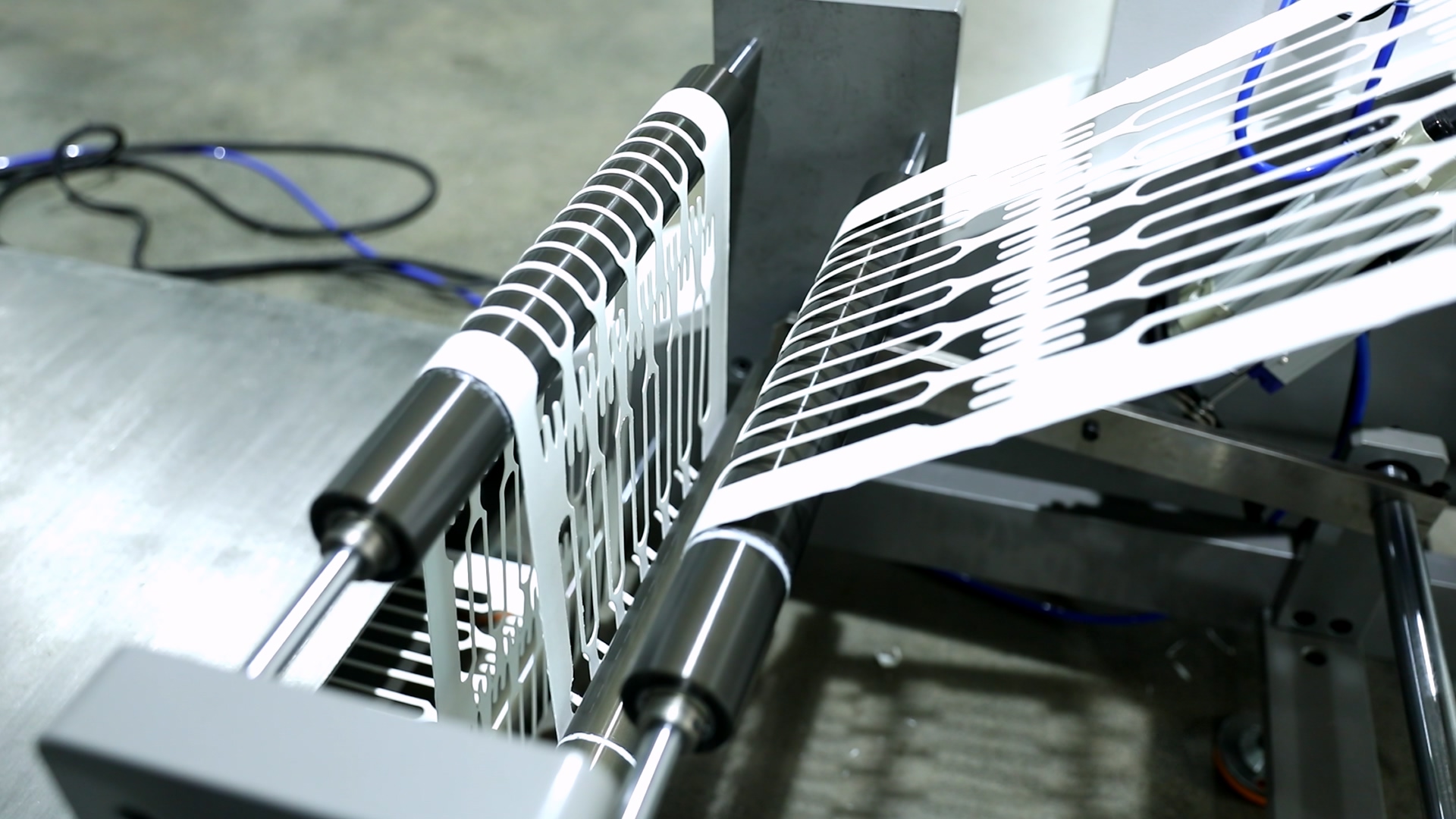
Waste Rewinding
Remaining material is rewound after die cutting for cleaner production.
Forming Section
The die-cut semi-finished blanks are placed into the jig. The manipulator picks and transfers them to the forming station. The forming mold is replaceable, and the formed products are sucked by the manipulator and output by conveyor.
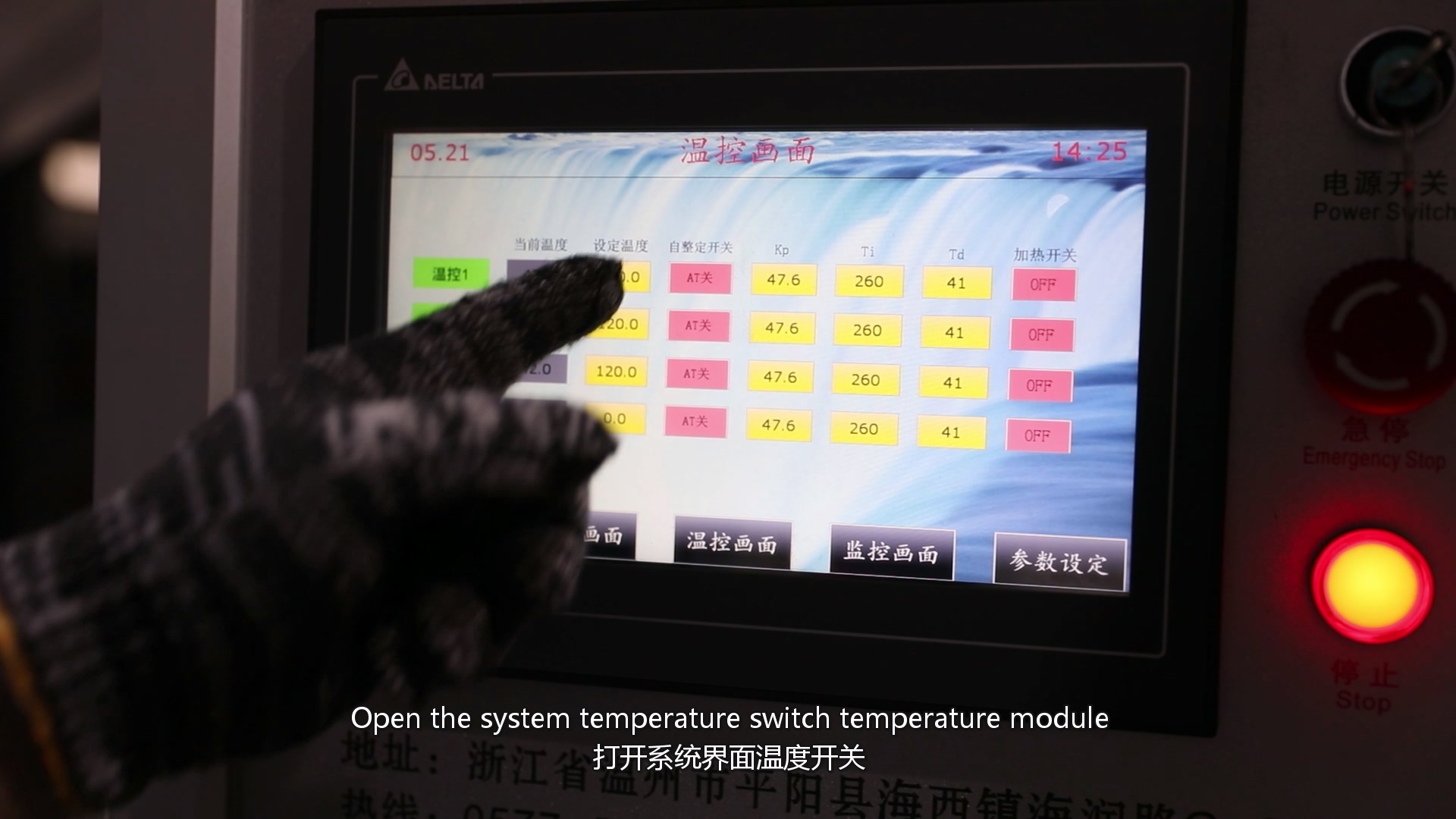
Temperature Setting
Set temperature modules for stable hot forming preparation.
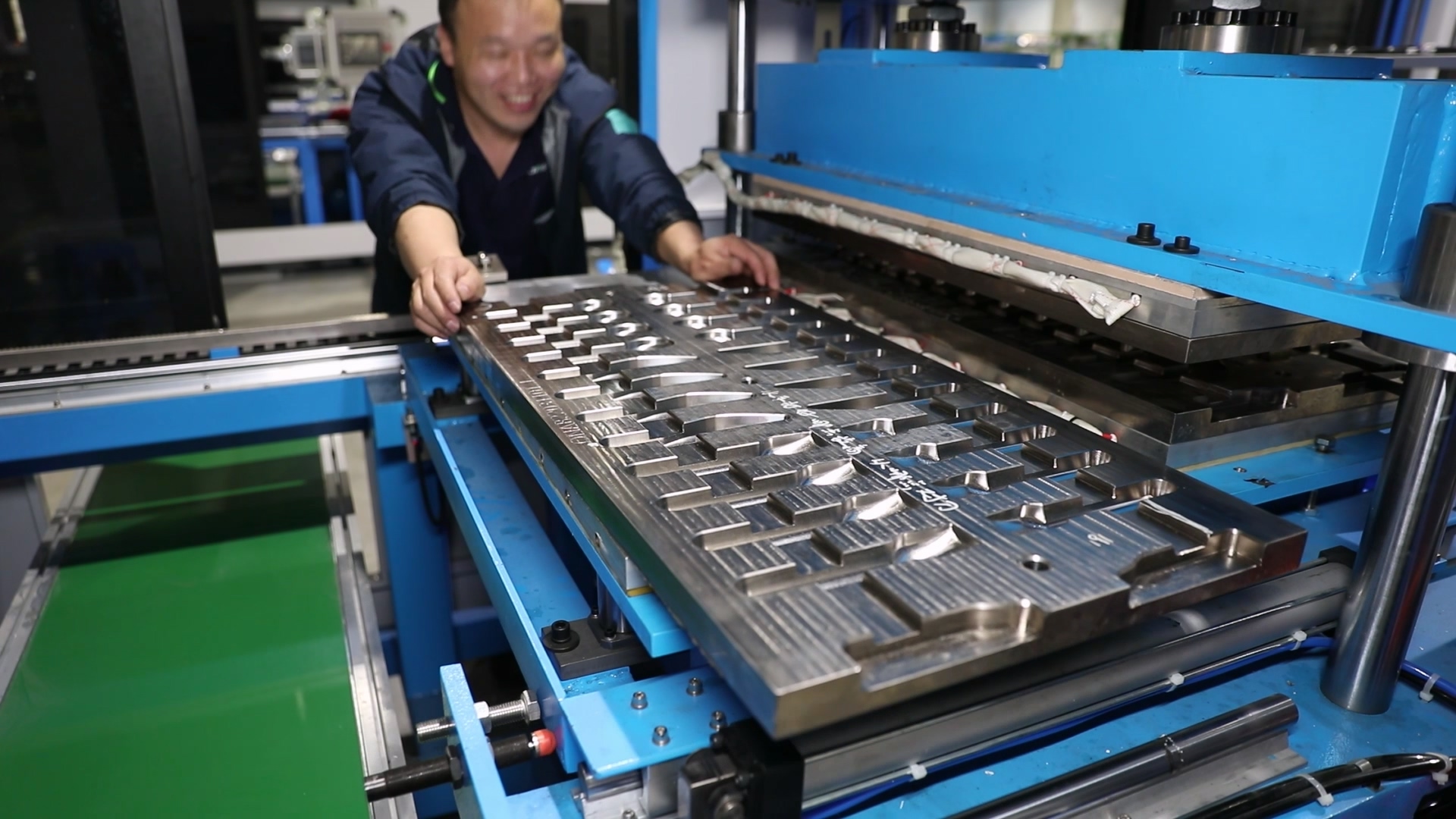
Forming Mold Placement
Place the replaceable forming mold based on target product shape.
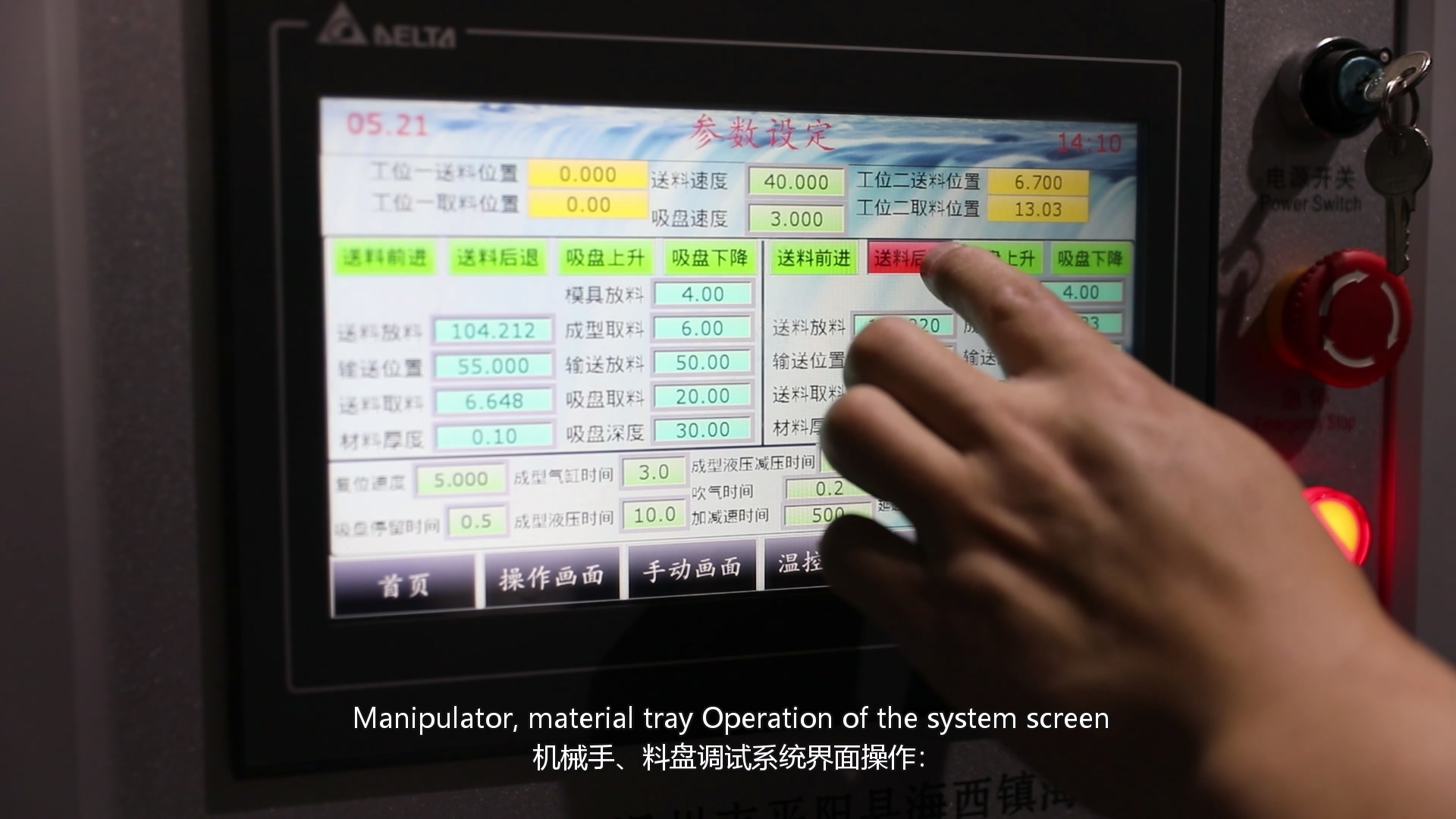
Parameter Setting
Set working parameters before automatic forming and transfer.
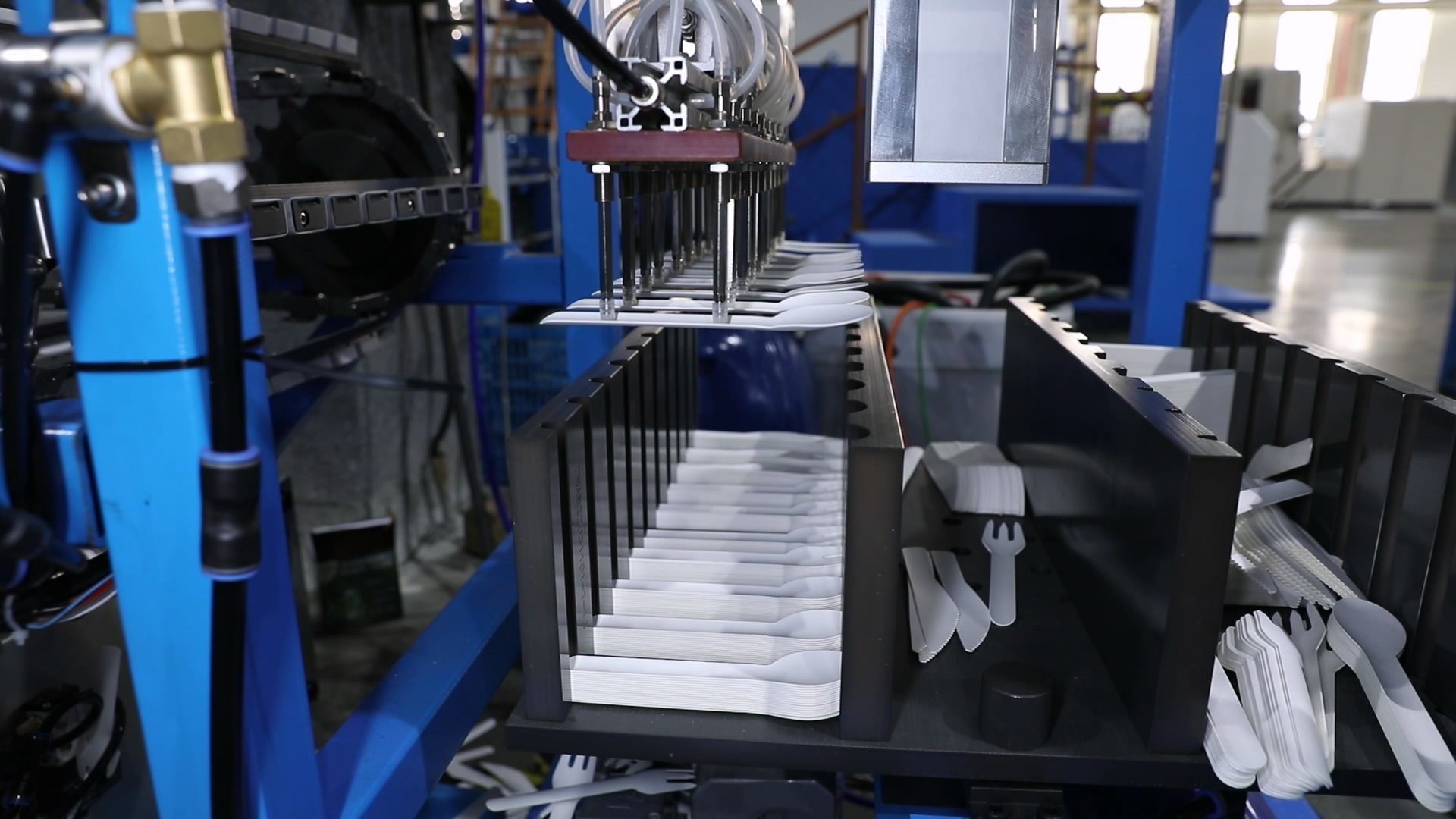
Robotic Suction Transfer
The manipulator places the semi-finished blank into the forming mold.
Sealing Section
The formed semi-finished products are placed in the jig. The manipulator picks and inserts them into the rail-type clamp device. The chain drives products through hot pressing, optional gluing, drying and final output for collection and packing.
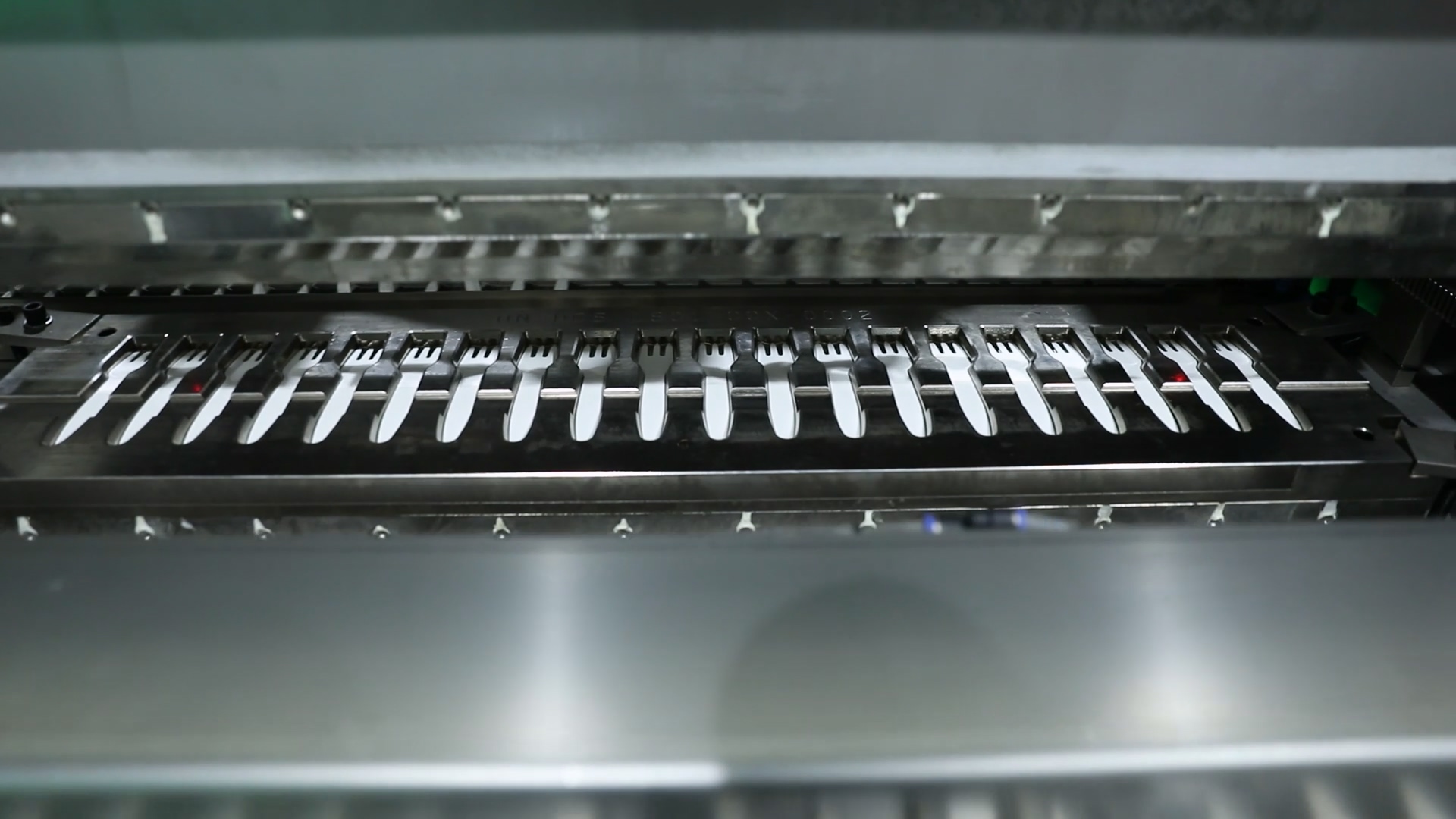
Hot Press Sealing
The formed product is hot-pressed for structure fixing and sealing.
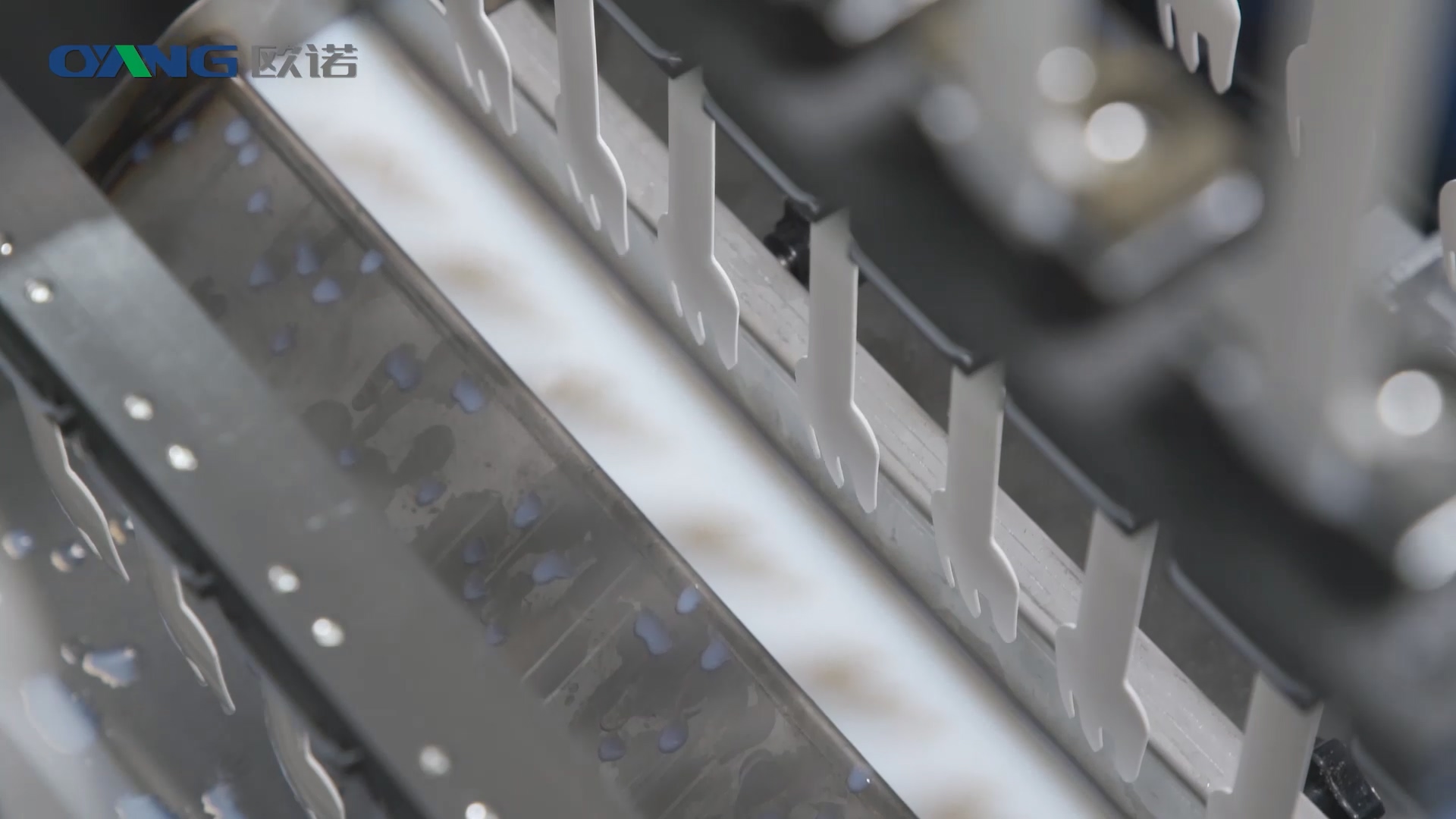
Gluing Optional
Optional gluing is available according to product structure requirements.
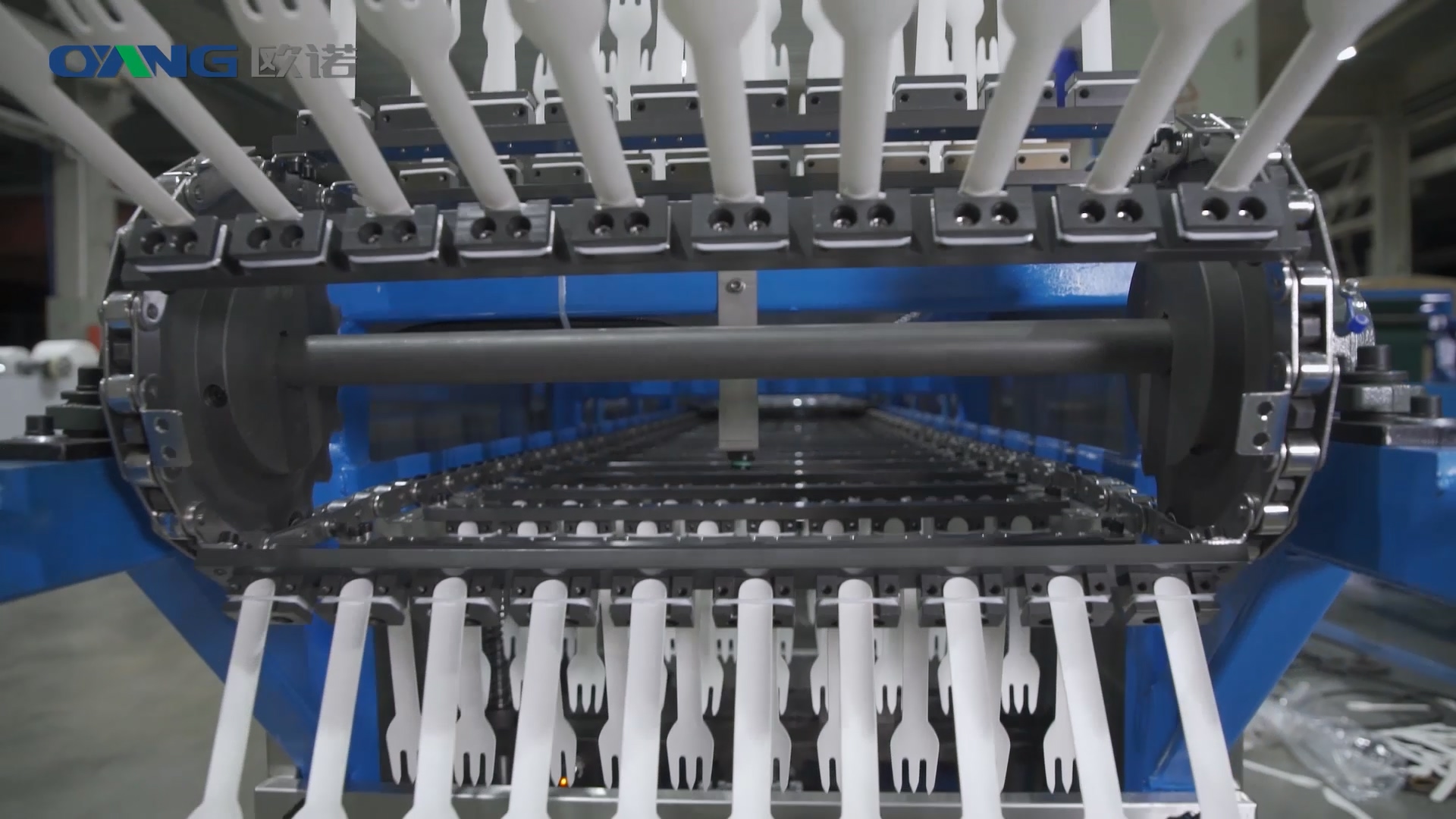
Drying
Products pass through drying by chain transmission before final output.
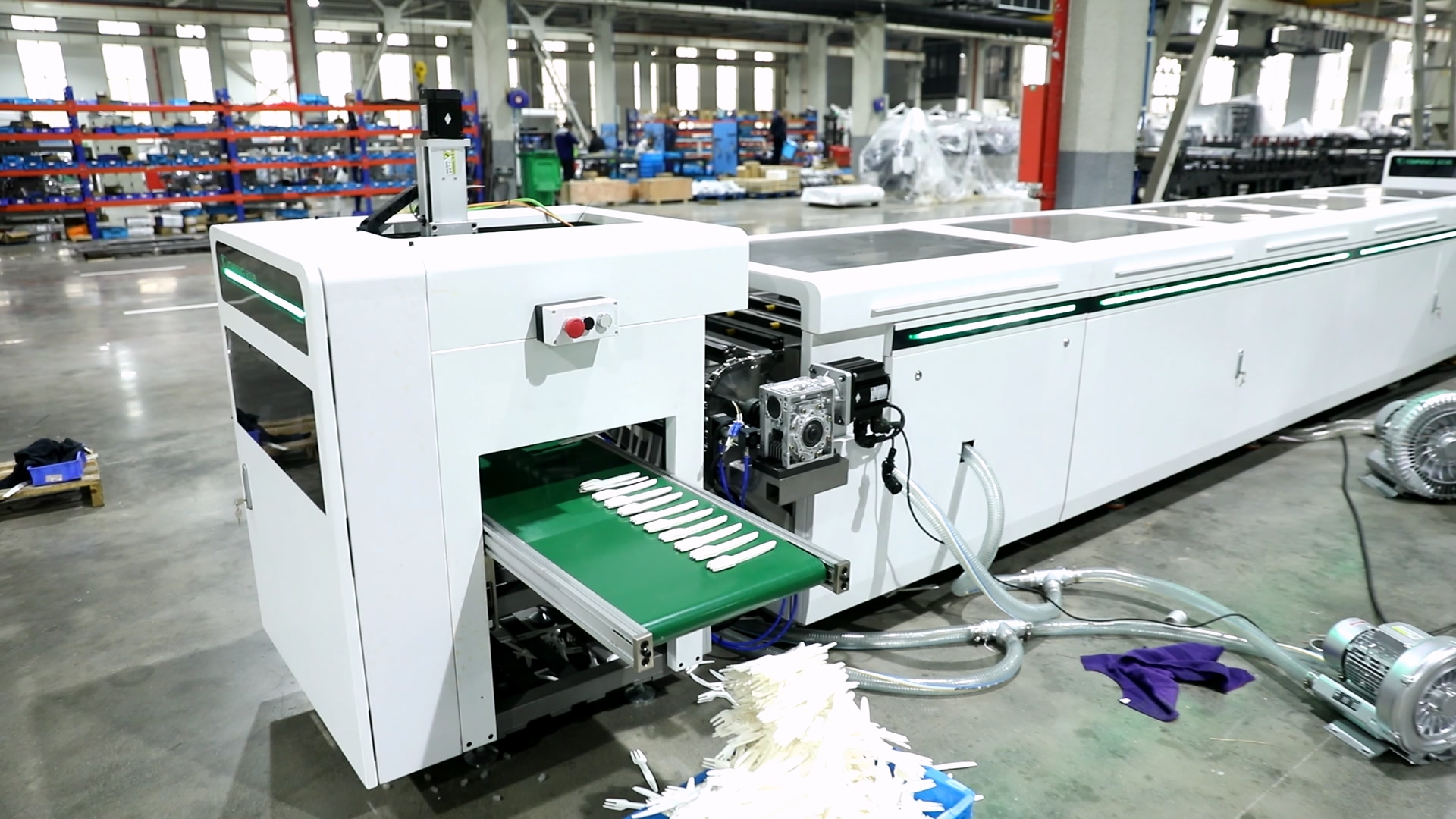
Final Product Collection
Finished paper cutlery is output for collection and packing.
Engineering Excellence: Thermal-Pressure Bonding & Precision Molds
The superior structural rigidity, smooth lip contact, and oil-proof performance of OYANG paper cutlery and plates stem from our proprietary thermal-mechanical bonding process. Instead of fragile wet slurries, multiple continuous paper rolls are bonded under closed-loop servo compression and multi-zone PID thermal regulation.
| Critical Process Parameter | Operational Range | Engineering Significance & Quality Control |
|---|---|---|
| Bonding Pressure | 0.8 – 1.5 MPa | Servo-driven mechanical pressure ensures complete fiber interlock without layer delamination. |
| Mold Temperature (PID) | 140°C – 180°C (±1°C) | Precise digital thermal zones activate barrier adhesives while preventing paper carbonization. |
| Dwell / Forming Cycle | 1.8 – 3.2 seconds | Locks in 3D curvature for knife serrations, deep fork tines, and rimmed plate perimeters. |
| Tooling Machining Tolerance | ≤ 0.015 mm | Processed by Japanese MAZAK & Okuma CNC centers to eliminate burrs, flashes, and fiber debris. |
This synchronized electro-mechanical control guarantees that each cutlery piece and paper plate achieves flawless surface smoothness, superior flexural stiffness, and full compliance with international food-contact safety standards (FDA, LFGB, and EU plastic-free directives).
Why Paper Tableware Is Becoming a Better Alternative
Compared with plastic, PLA, pulp molded, wooden and bamboo cutlery, paper knives, forks, spoons, and plates offer a more balanced solution in environmental value, production efficiency, recyclability and user safety.
| Material Type | Advantages | Limitations | Paper Cutlery & Plate Machine Advantages |
|---|---|---|---|
PP / PS Plastic Tableware |
Strong moldability, good performance and low production cost. |
Non-degradable and will gradually be replaced by more eco-friendly products under environmental policies. |
Paper cutlery & plates can naturally degrade, are hygienic, recyclable and match plastic-free policy requirements. It has strong growth potential in future foodservice packaging. |
PLA Biodegradable Cutlery |
Biodegradable under specific composting conditions, oil-resistant, heat-resistant and flexible. |
Cannot naturally degrade in all environments. Material cost is high, with raw material cost around RMB 30,000 per ton. Application scenarios are limited. |
Paper cutlery supports natural degradation and better fits environmental policy direction. It offers stronger potential for large-scale sustainable replacement. |
Pulp Molded Cutlery & Plates |
Naturally degradable and recyclable. |
High energy consumption, relatively low efficiency, possible fiber debris on finished products, and weaker water/oil resistance. |
Our paper cutlery machine and automatic paper plate making machine offer lower energy consumption, higher efficiency, and better water/oil resistance. The process is simpler, with higher input-output value and no exhaust gas, wastewater or solid waste pollution. |
Wooden / Bamboo Tableware |
Hard material structure and natural degradability. |
Not recyclable after use. May have odor, burrs, sharp splinters and potential safety risks during direct foodservice use. |
Paper cutlery scraps and used products can naturally degrade and be recycled. It avoids burrs, sharp splinters and odor issues, reducing user safety risks. |
Eco-Friendly Paper Tableware |
Eco-friendly, hygienic, naturally degradable, recyclable, with no exhaust gas, wastewater or solid waste pollution during production. No burrs or usage safety risks. Simple process and high production capacity. |
As an emerging product category, the market still needs education. Heat resistance and water resistance still have room for further improvement. |
Strong future potential. A blue-ocean opportunity for sustainable disposable tableware and plastic-free foodservice packaging. |
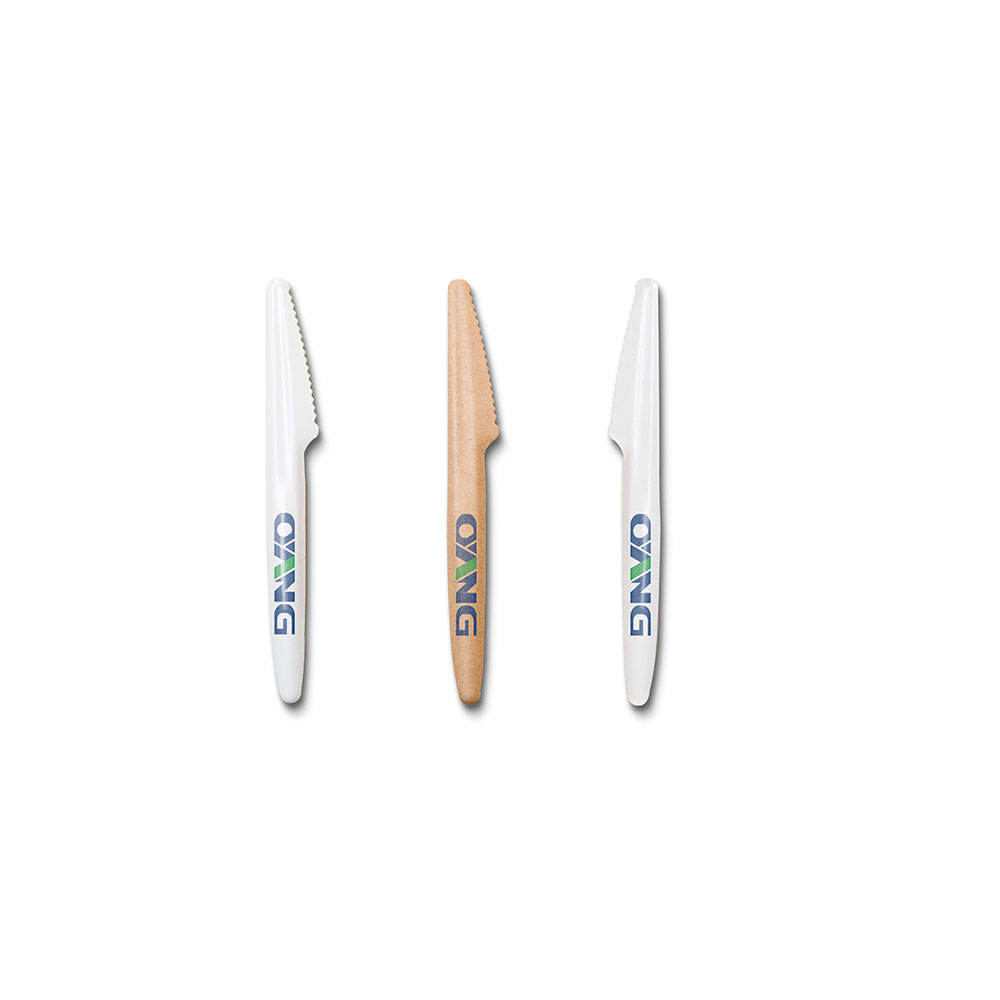
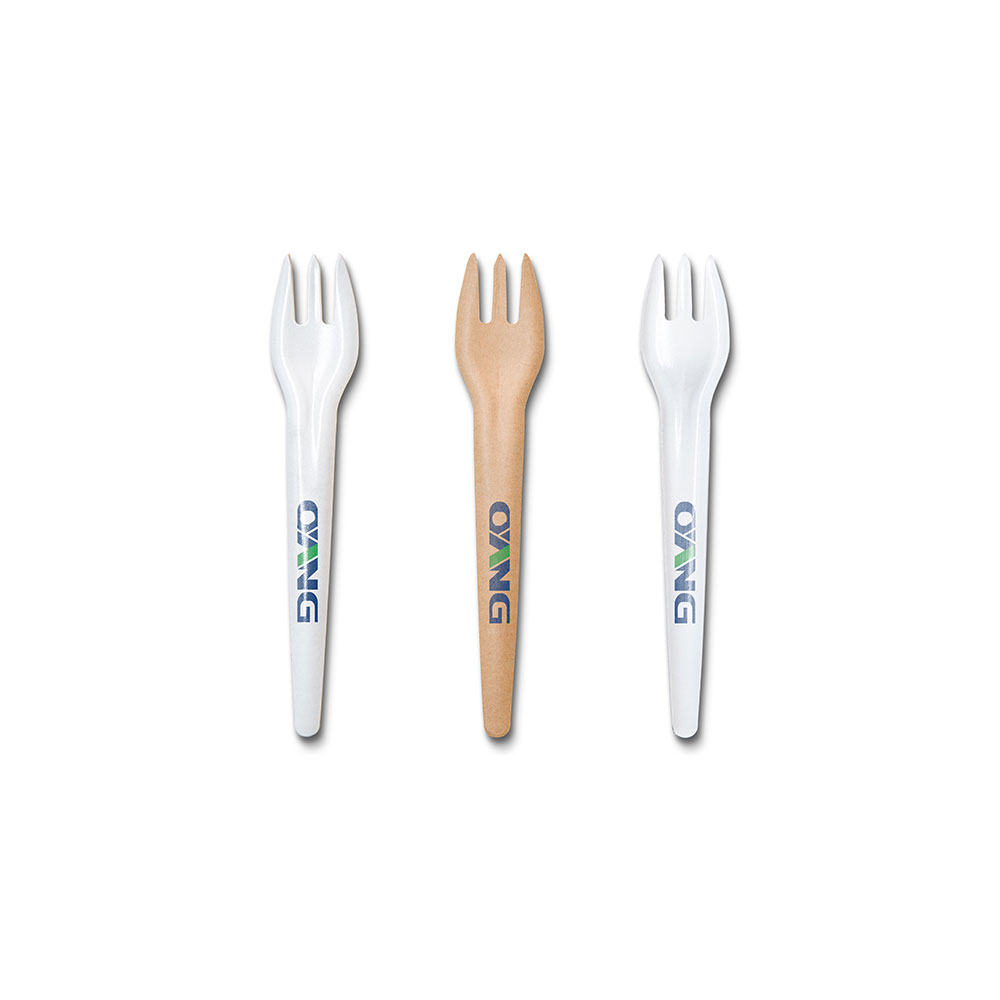
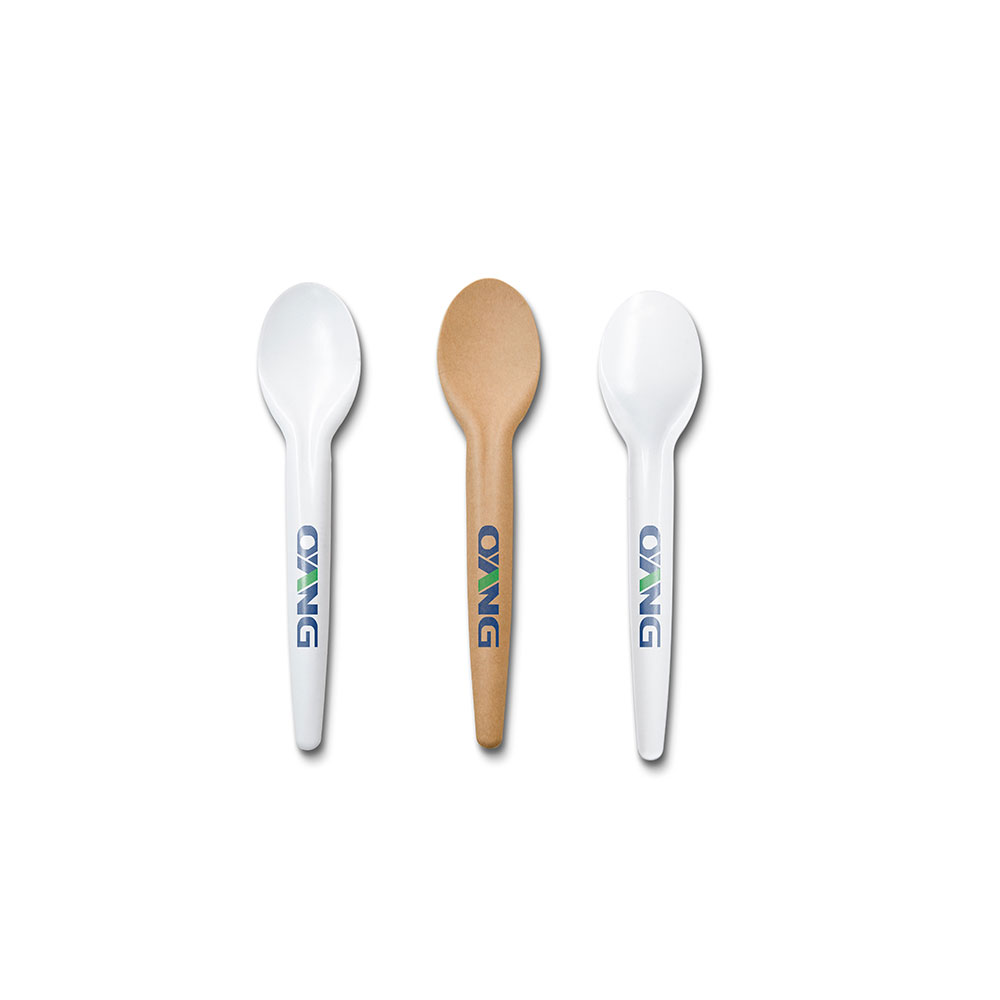
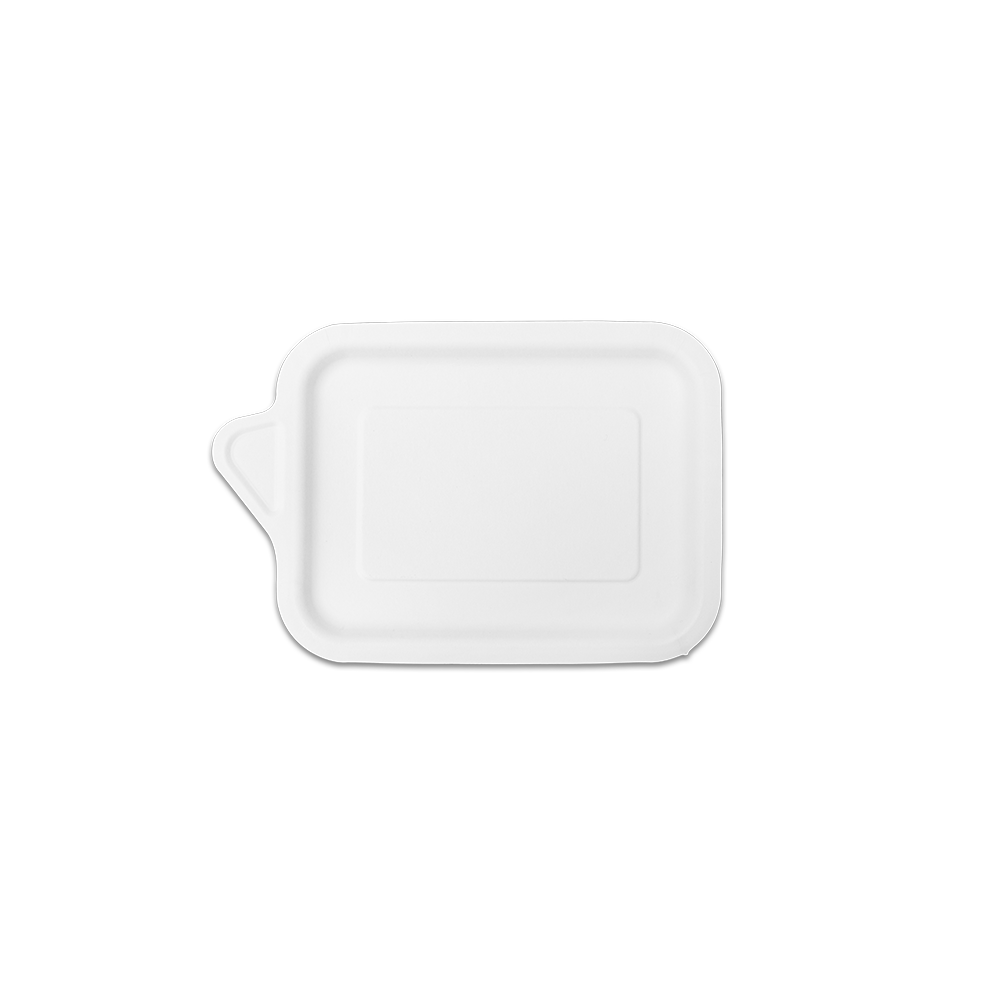
Paper Product Range
With different molds and material configurations, the line can produce a variety of molded paper products for foodservice and sustainable packaging applications.
OYANG Paper Cutlery & Plate Machine FAQ
Common questions about our paper cutlery machine, automatic paper plate making machine, output, materials, working process, and custom molds.
01 What products can the OYANG Paper Forming Machine produce?
02 What is the output of the OYANG Paper Cutlery Machine?
03 What is the complete working process of this tableware line?
04 Can the machine produce different shapes of paper plates and cutlery?
05 What materials can be used in this automatic paper plate making machine?
06 What are the advantages compared with PP or PS plastic cutlery?
07 What are the advantages compared with PLA cutlery?
08 What are the advantages compared with pulp molded cutlery?
09 What are the advantages compared with wooden or bamboo cutlery?
10 Is the gluing process necessary?
11 What are the environmental and cost-saving benefits?
12 Which industries are suitable?
13 Can the forming mold be replaced?
14 Is the machine suitable for plastic-free packaging production?
15 Why choose OYANG Paper Forming Machine?
OYANG Paper Cutlery & Plate Machine Videos
Watch the complete working process, machine introduction, customer suitability analysis, advantages and product cost analysis of the OYANG Paper Forming Machine solution.
Full production process from laminating and die cutting to forming, sealing and output.
Continuous view of the forming and sealing section for molded paper cutlery production.
Echo introduces OYANG company and paper forming products.
Betty explains the paper forming machine structure and application.
Cathy explains suitable customer types and target industries.
Cathy introduces key advantages of the OYANG paper forming solution.
Tank explains the cost analysis of paper forming machine products.
Ready to Launch Your Paper Cutlery & Plate Production Line?
Share your target product specifications, paper roll structures, mold dimensions, and expected hourly capacity. Our technical engineers will configure the optimal PART I + PART II line for your factory.
350x97.png)
Contact OYANG Tableware Machinery Team
Submit your target product, paper structure, mold requirements and expected capacity. Our team will recommend the suitable PART I + PART II paper forming configuration.