350x97.png)
350x97.png)
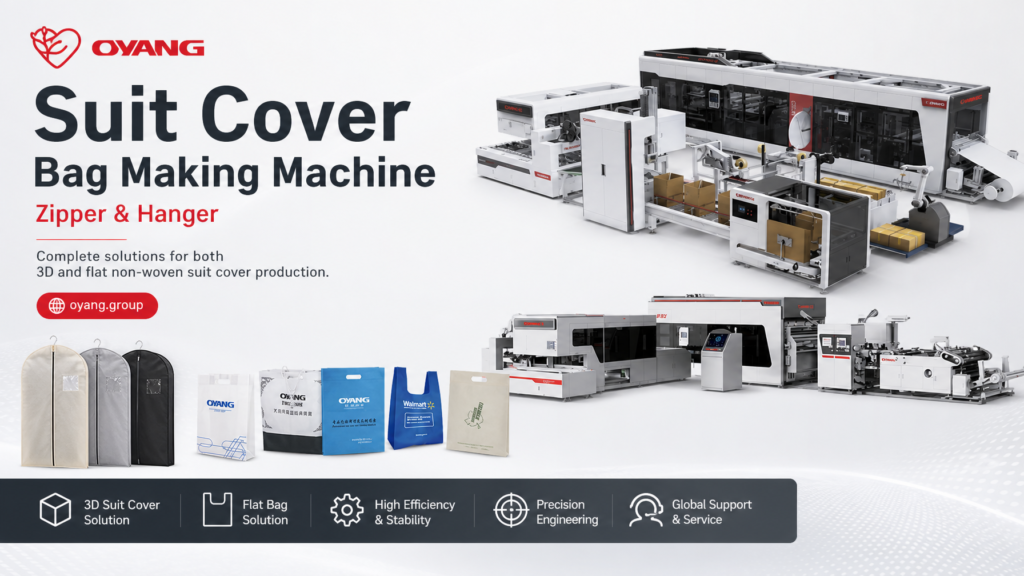
Suit Cover Bag Making Machine: Full Automation with Zipper & Hanger Integration
A suit cover bag making machine (also recognized as a garment bag making machine or coat cover converter) automates the continuous roll-fed fabrication of long-format protective apparel covers for tailored suits, bridal wear, and dry-cleaning distribution. Operating at continuous speeds of 30 to 50 finished covers per minute, the flagship OYANG XG1200 bag machine integrates inline center zipper insertion with automated slider attachment, continuous ultrasonic lace hemming, curved hanger port die-cutting, and synchronized cross-cutting. This high-speed inline architecture replaces up to 15 manual sewing stations while maintaining strict ±1.0 mm edge alignment across bag lengths exceeding 1,600 mm.
Video: Mechanical kinematics of inline zipper feeding, ultrasonic edge hemming, and automatic hanger hole punching on the OYANG XG1200 line.
The Industrial Bottleneck: Manual Sewing vs Automated Converting
Protective garment covers for suits, overcoats, and evening gowns represent a high-margin segment in industrial packaging. However, their physical dimensions (typically 600 mm wide × 1,000 to 1,500 mm long) combined with multiple functional components create severe production constraints on traditional shop floors:
- Labor-Intensive Multi-Stage Sewing: Conventional production requires manually shearing fabric sheets, running them through lockstitch sewing machines to insert zippers, manually feeding zipper pull tabs, and edge-binding seams with non-woven tape. A skilled sewing machinist produces fewer than 25 to 30 fully assembled covers per hour.
- Skewing on Extended Seams: Manually sewing 1.5-meter fabric plies inevitably introduces operator stretch and feed dog slip, resulting in curved seams, puckered zippers, and crooked hanger holes that fail visual inspection by luxury apparel retailers.
- Needle Breakage & Safety Recalls: Apparel export regulations strictly monitor metal contamination. Broken sewing needle fragments embedded within garment covers trigger severe customs rejections and costly product recalls.
Kinematic Architecture: 6-Stage Inline Production Workflow
The inline sewing non woven machine architecture implemented on the OYANG XG1200 replaces needle stitching entirely with acoustic fusion and servo motion:
Stage 1 Master Roll Unwind & Ultrasonic Center Slitting
A wide non-woven web (typically 60 to 100 GSM spunbond or breathable laminated material) unwinds under closed-loop dancer tension control. Precision ultrasonic rotary knives slit the center channel where the front closure zipper will be situated.
Stage 2 Continuous Zipper Pay-Off & Automatic Slider Insertion
Continuous nylon coil zipper tape is decoiled from a pay-off reel. An automated mechatronic slider inserter loads and locks the zipper puller onto the chain in milliseconds, eliminating manual puller assembly entirely.
Stage 3 Ultrasonic Zipper-to-Fabric Thermal Fusion
Dual high-power 20 kHz ultrasonic sonotrodes fuse the lateral fabric flaps directly to the nylon zipper ribbon. The molecular bond provides peel strength exceeding 120 N without puncturing or weakening the non-woven fibers.
Stage 4 Precision Hanger Port Hydraulic Die-Cutting
At the top shoulder line, a quick-cycle hydraulic die shears the curved coat hanger opening. Reinforced ultrasonic perimeter welds encircle the port, preventing tear propagation when heavy winter coats are suspended.
Stage 5 Ultrasonic Lace Border Seaming & Folding
Specially patterned rotary ultrasonic lace wheels seal the outer vertical perimeters, embossing decorative and durable bonded edges while trimming excess scrap in a single synchronized pass.
Stage 6 Servo Flying Cutoff & Stacking
High-speed rotary guillotine shears cut the finished suit cover to the exact programmed length (programmable from 600 mm to 1,600 mm via the HMI terminal) and transfer completed units onto an automatic counter stacking conveyor.
Financial Model: Eliminating 15 Sewing Operators on a 100,000 Unit Order
The capital justification for installing a dedicated garment cover machine with zipper becomes evident when evaluating production economics against traditional sewing workshops:
Production Cost & Labor Analysis (100,000 Zippered Garment Covers)
- Production Target: 100,000 completed covers (600 mm × 1,200 mm with full zipper and hanger port)
- Manual Sewing Output: 25 units / operator / hour (Total labor requirement: 4,000 labor hours)
- Direct Sewing Labor Expense: 4,000 hours × $6.50 USD/hr = $26,000 USD direct labor
- Sewing Thread & Needle Consumables: ~$0.04 USD per cover = $4,000 USD
- Total Conventional Cost (Labor + Thread): $30,000 USD
- OYANG XG1200 Automated Output: 40 units/min (2,400 units/hr; line runtime: 41.7 operating hours)
- Automated Machine Labor Overhead: 2 Operators (41.7 hours × 2 × $10.00/hr) = $834 USD
- Net Cost Savings per 100,000 Bag Order: $30,000 − $834 = $29,166 USD
Result: By eliminating manual stitch stations and thread consumables, an apparel converter amortizes the capital investment of an OYANG XG1200 within approximately 5 to 7 high-volume export contracts.
Performance Matrix: Manual Sewing vs OYANG XG1200 Automation
| Manufacturing Metric | Manual Workshop Sewing Method | OYANG XG1200 Automated Platform |
|---|---|---|
| Continuous Conversion Velocity | 0.4 – 0.5 units/min per operator | 30 – 50 units/min (Continuous auto) |
| Zipper & Slider Assembly | Hand-cut zipper, manual puller attachment | Fully automated inline zipper & slider insert |
| Seam Joining Technology | Needle stitch (Risk of needle fragments) | 20 kHz Ultrasonic fusion (100% metal-free) |
| Length Dimensional Tolerance | ±8.0 mm to ±15.0 mm (Manual stretching) | ±1.0 mm (Bus-synchronized servo drive) |
| Hanger Eyelet Execution | Offline hand punch / manual scissor snip | Inline hydraulic die punch with welded border |
| Personnel Required per 1,000 Units/Day | 5 to 7 Sewing operators | 1 Operator for complete line management |
Japanese MAZAK & OKUMA CNC Manufacturing Guarantees Long-Web Stability
Converting fabric plies extending up to 1.6 meters in length requires extraordinary tracking precision. Any minor deviation in roll parallelism causes the center zipper to run diagonally, producing warped garment bags that do not hang plumb.
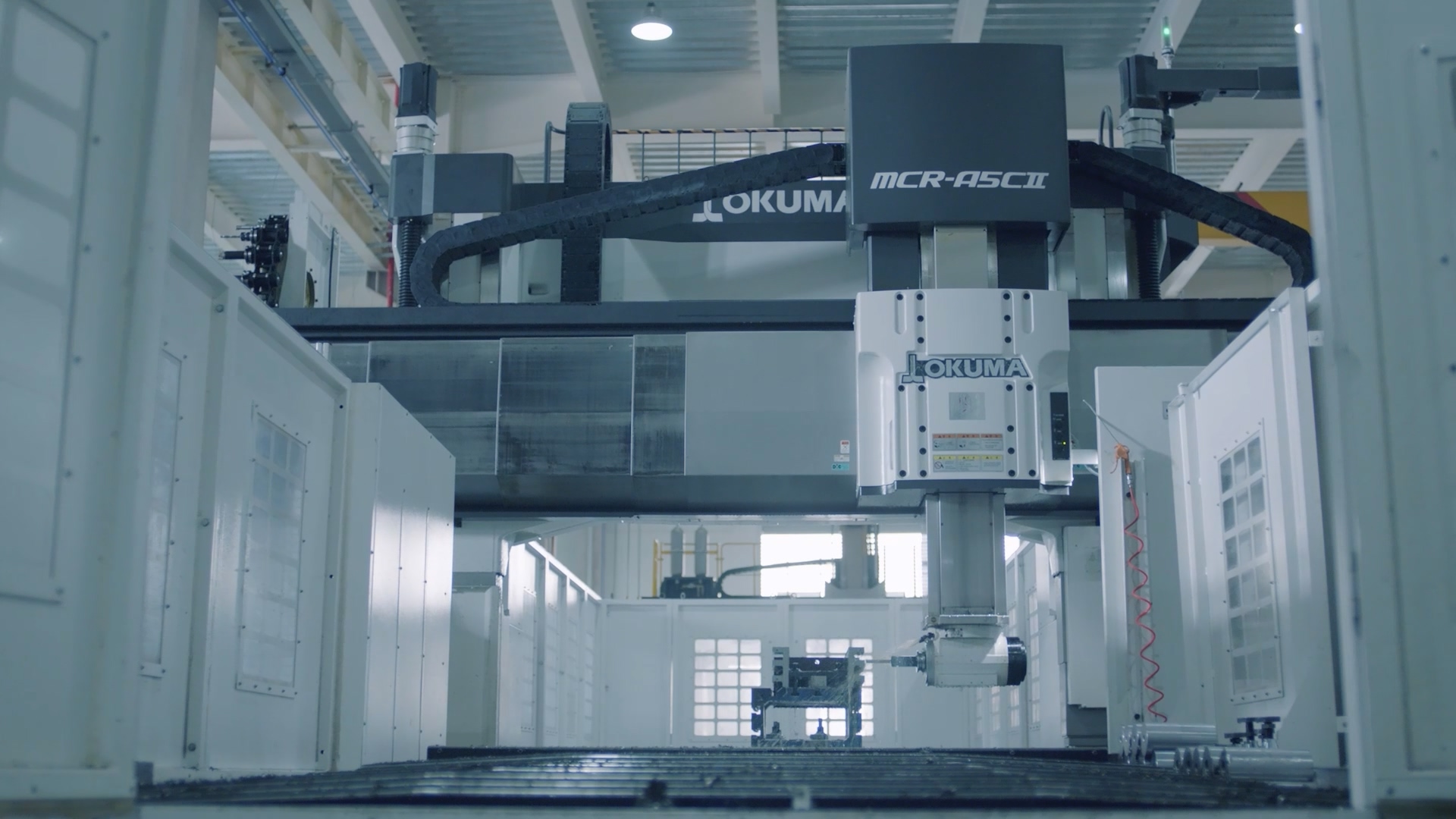
OKUMA CNC centers machining ultra-wide roll shafts, slider insertion guide ways, and cutter anvils to ≤ 0.015 mm tolerances.
All wide-span side frames, zipper pay-off carriages, and ultrasonic sonotrode mounting bridges on the OYANG XG1200 are machined on Japanese MAZAK and OKUMA 5-axis CNC machining centers. Planar machining tolerances of ≤ 0.015 mm ensure perfectly synchronized web tracking, zero edge skew, and a robust mechanical chassis rated for decades of heavy multi-shift operation.
Recommended Machinery & Auxiliary Units
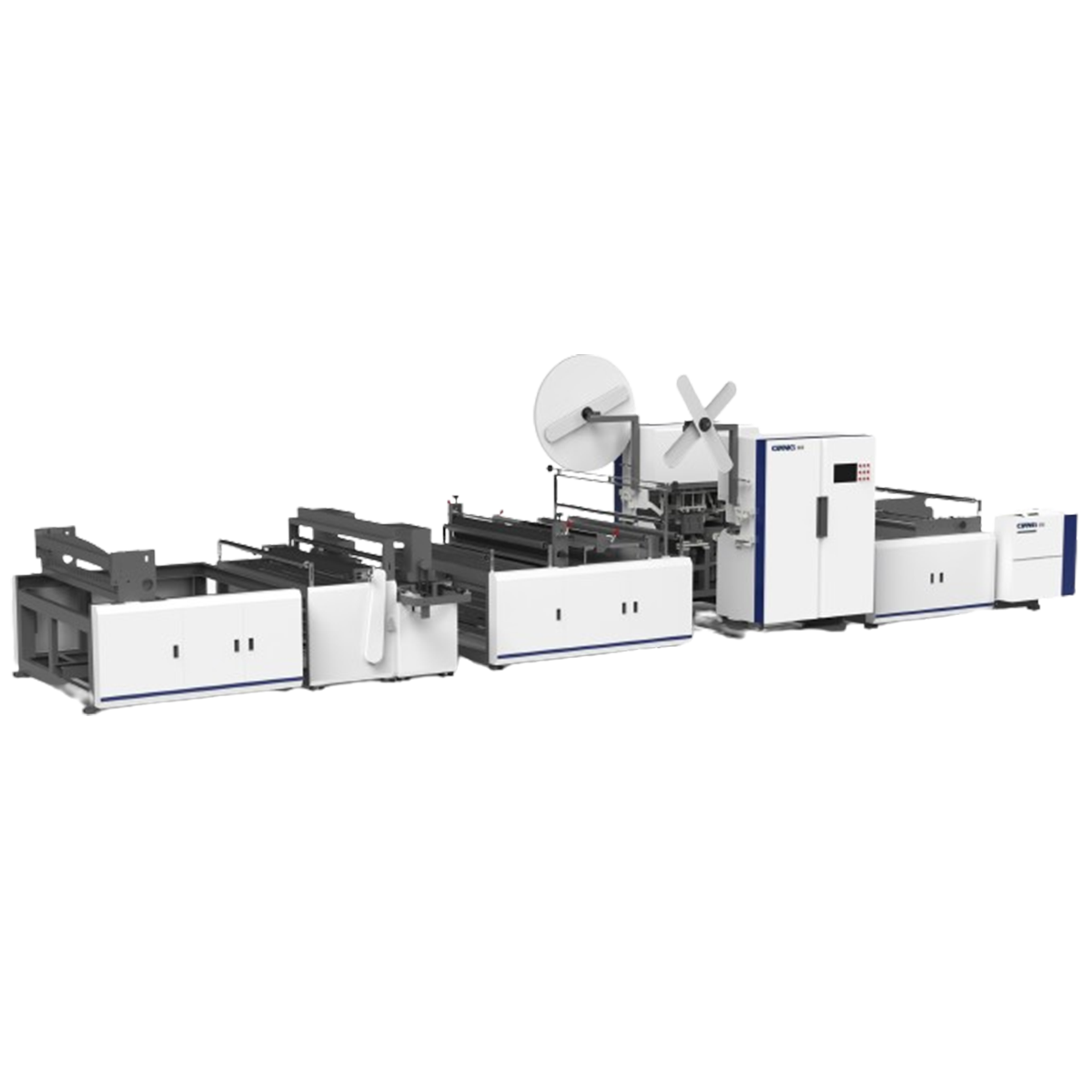
OYANG XG1200 Automated Suit Cover Machine
The definitive production standard for garment bags. Delivers 30–50 covers/min with continuous inline zipper feeding, automatic slider insertion, ultrasonic sealing, and hanger punching.
Explore XG1200 Specs
OYANG 15-H Ultrasonic Sheet Shearing Unit
High-precision standalone cross-cutting station designed for sheeting raw non-woven fabrics and protective garment covers with cleanly fused, fray-free edges.
Explore 15-H Shearing Specs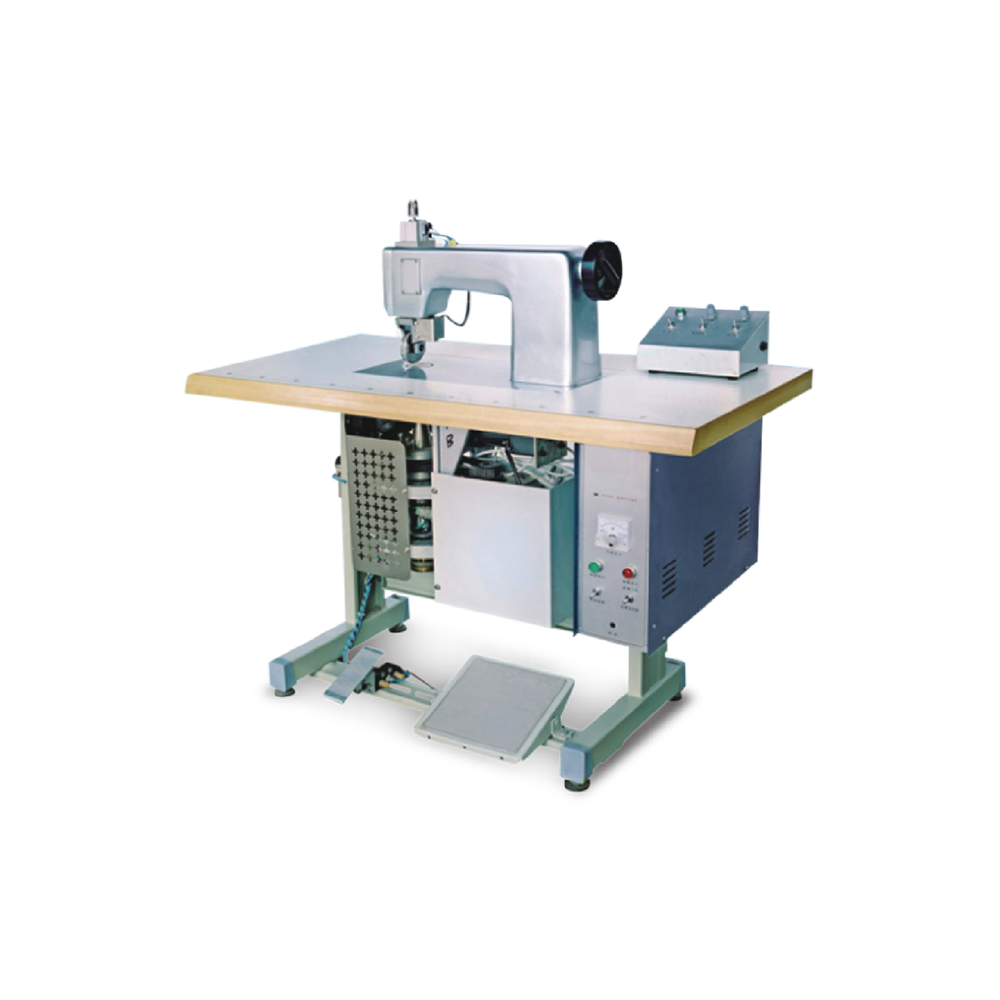
Ultrasonic Lace Sealing Machine
Versatile auxiliary ultrasonic sewing machine engineered for decorative edge embossing, manual custom garment bags, or specialized boutique luxury apparel covers.
Explore Lace Sewing SpecsFrequently Asked Questions (FAQ)
What is a suit cover bag making machine?
A suit cover bag making machine is an automated industrial converting system designed to convert roll-fed non-woven fabrics into full-length apparel dust covers equipped with an inline zipper closure, hanger opening, and ultrasonic perimeter seals.
How does the inline zipper mechanism work on the OYANG XG1200?
The OYANG XG1200 continuously pays off nylon coil zipper ribbon, automatically installs the slider pull tab via a synchronized mechanical inserter, aligns the zipper with the center slit of the non-woven web, and welds it securely using 20 kHz ultrasonic sonotrodes without sewing thread.
What is the typical production speed of the XG1200 garment bag machine?
The OYANG XG1200 operates at a verified speed of 30 to 50 finished garment bags per minute depending on the overall length of the cover, yielding roughly 14,000 to 24,000 completed covers per 8-hour shift.
Can the machine accommodate different suit cover lengths and widths?
Yes, cut lengths are digitally adjusted on the touchscreen HMI from 600 mm up to 1,600 mm to support suits, trench coats, and wedding dresses, while web widths are mechanically adjustable up to 1,200 mm unfolded.
Why is ultrasonic seaming superior to traditional thread sewing for garment covers?
Ultrasonic seaming fuses non-woven fabrics molecularly without perforations or needles, eliminating thread inventory costs, puckered seams, and the critical risk of broken needle fragments entering retail clothing shipments.
Automate Your Luxury Garment Packaging Production
Eliminate labor-intensive manual sewing workshops and scale garment cover manufacturing to 50 units per minute with inline zipper and hanger automation. Contact OYANG engineers for technical specifications, layout drawings, and investment analyses.