350x97.png)
350x97.png)
Plastic has reshaped modern life. It is lightweight, durable, low-cost, flexible, and widely used across healthcare, food packaging, construction, agriculture, electronics, logistics, and daily consumer products. From sterile medical supplies to food preservation and protective packaging, plastic has delivered undeniable value to society.
However, the same characteristics that make plastic useful have also created one of the most serious environmental challenges of our time. Many plastic products are designed for short-term use, but they remain in the environment for decades or even centuries. The result is a global pollution crisis affecting oceans, wildlife, landscapes, climate systems, food chains, and human health.
Plastic pollution is not only an environmental issue. It is also a manufacturing, waste management, public health, policy, and consumption challenge. Understanding the crisis is the first step toward building practical solutions.
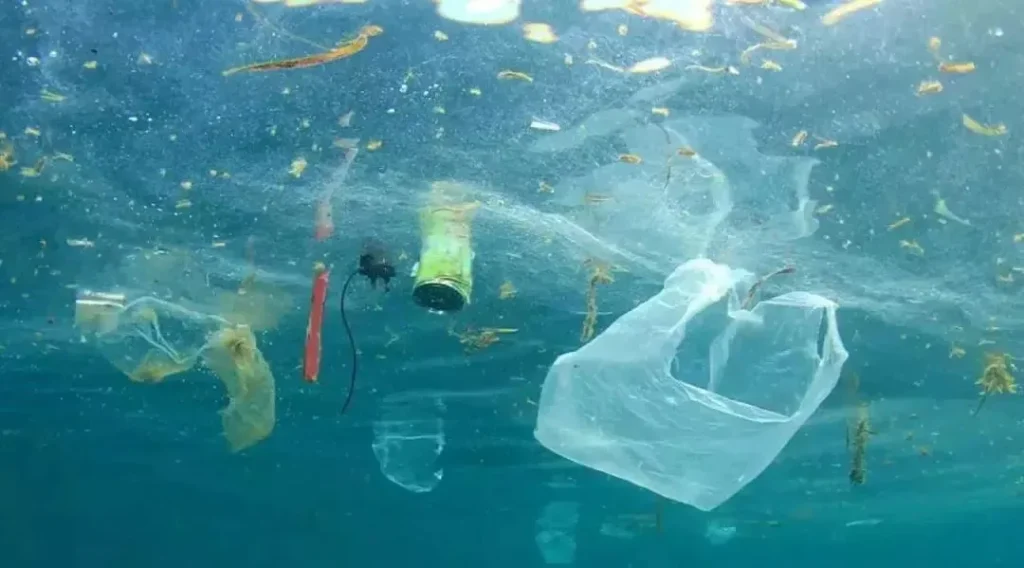
Plastic Pollution and the Need for Sustainable Packaging
<img src=”https://oyang.group/wp-content/uploads/2026/05/Oyang-Innovative-Paper-Moulding-Technology-Addresses-Global-Plastic-Pollution-Challenge1.webp” alt=”Plastic pollution and sustainable packaging solution” loading=”lazy” style=”width:100%;height:auto;” />
Introduction to Plastic Pollution
Plastic pollution refers to the accumulation of plastic products and particles in the environment, where they cause harm to ecosystems, wildlife, natural landscapes, and potentially human health.
Plastic waste appears in many forms:
- Plastic bags
- Plastic bottles
- Food packaging films
- Disposable cutlery
- Straws and stirrers
- Takeaway containers
- Industrial packaging
- Fishing nets and ropes
- Microplastics from broken-down plastic waste
- Microbeads and synthetic fibers
The issue is not simply that plastic exists. The crisis comes from overuse, single-use consumption habits, poor waste management, limited recycling efficiency, and the long persistence of plastic in the environment.
Plastic pollution tells a story of two sides: convenience and consequence. It solved many practical problems, but its uncontrolled growth created new global risks.
The Rise of Plastic Production
From Bakelite to Billions of Tons
The history of modern plastic began in the early 20th century. Bakelite, invented in 1907, is widely known as the first fully synthetic plastic. It opened the door to a new material age.
Over the following decades, plastic entered almost every part of life. It was used in electrical insulation, automotive parts, household goods, packaging, medical equipment, construction materials, and consumer products.
Plastic production expanded rapidly because it offered several advantages:
- Low material cost
- Lightweight structure
- Strong durability
- Flexible processing
- Moisture resistance
- Easy mass production
- Wide application range
These advantages helped plastic become one of the most widely used materials in the modern economy.
Global Plastic Production Growth
In 1950, global plastic production was around 2 million tons. By 2015, annual production had reached more than 380 million tons. This growth reflects the world’s increasing dependence on plastic across industries and consumer markets.
Packaging is one of the largest application areas. Many packaging products are used only once before being discarded. This mismatch between short product use and long material persistence is one of the core reasons behind the plastic pollution crisis.
The Double-edged Sword of Plastic Innovation
Plastic innovation brought real benefits. It improved product safety, reduced transport weight, extended food shelf life, supported medical hygiene, and enabled modern manufacturing systems.
But the drawbacks are now impossible to ignore:
- Persistent plastic waste
- Marine pollution
- Microplastic contamination
- Wildlife injury and death
- Landfill accumulation
- Chemical leaching
- Greenhouse gas emissions from plastic production
- Increasing waste management pressure
Plastic is not only a material success story. It is also a warning about what happens when production growth outpaces circular waste systems.
The Environmental Impact of Plastic Waste
Plastic waste affects land, rivers, oceans, animals, and human communities. Because plastic breaks down slowly, its environmental impact can last for generations.
Marine Life and Ecosystems Under Threat
Plastic waste has entered oceans on a massive scale. It floats on the surface, sinks to the seabed, washes onto shorelines, and breaks into smaller particles over time.
Marine animals are affected in two main ways: entanglement and ingestion.
Entanglement by Plastic Debris
Animals can become trapped in plastic bags, packaging straps, fishing nets, and ropes. Entanglement can cause:
- Restricted movement
- Injury
- Infection
- Starvation
- Drowning
- Death
Sea turtles, seabirds, seals, dolphins, and fish are among the species affected by plastic debris.
Ingestion of Plastic Waste
Many animals mistake plastic fragments for food. Once swallowed, plastic can block digestive systems, reduce feeding ability, and introduce harmful chemicals into organisms.
Ingestion is especially dangerous because plastic can move through the food chain. Small marine organisms consume microplastics. Larger animals consume those organisms. Eventually, plastic particles may reach seafood consumed by humans.
The Menace of Microplastics
Microplastics are plastic particles smaller than 5 mm. They come from larger plastic debris breaking down over time, as well as from sources such as synthetic textiles, tire wear, industrial pellets, and cosmetic microbeads.
Microplastics are difficult to remove once released into the environment. They can be found in:
- Oceans
- Rivers
- Soil
- Airborne dust
- Drinking water
- Seafood
- Agricultural land
- Human tissue samples in some studies
Microplastics are concerning because they can carry chemical additives, absorb pollutants, and enter biological systems. Their long-term effects on human health are still being studied, but their widespread presence is already a serious warning signal.
Landfills and the Legacy of Plastic Waste
Plastic does not biodegrade in the same way as organic materials. Instead, it slowly breaks into smaller fragments through sunlight, heat, friction, and environmental exposure.
In landfills, plastic waste can remain for hundreds of years. This creates long-term pressure on land use, waste storage, and environmental safety.
The Longevity of Plastic in Landfills
The durability of plastic becomes a problem after disposal. A product used for only a few minutes may remain in the environment for several lifetimes.
Landfills reveal the hidden cost of a throwaway culture: convenience today becomes waste management pressure tomorrow.
Leaching of Toxic Chemicals
As plastics age and degrade, they may release chemical additives. These can include plasticizers, flame retardants, colorants, stabilizers, and other compounds used in plastic manufacturing.
Leached chemicals can contaminate soil and water systems, creating potential risks for ecosystems and surrounding communities.
Oceans: The Silent Sufferers
Millions of tons of plastic waste enter oceans every year. The exact pathways vary by region, but common causes include poor waste collection, littering, open dumping, stormwater runoff, river transport, and coastal mismanagement.
The Great Pacific Garbage Patch
The Great Pacific Garbage Patch is one of the most visible symbols of ocean plastic pollution. It is not a solid island, but a large area where floating plastic debris accumulates due to ocean currents.
This floating concentration of waste reminds us that plastic pollution is not limited by borders. Waste generated in one region can travel across rivers, coastlines, and oceans.
Rivers as Major Contributors to Ocean Pollution
Rivers carry plastic waste from inland areas to the sea. Waste mismanaged far from the coast can still end up in oceans through river systems.
Improving river pollution control requires upstream action:
- Better waste collection
- Reduced littering
- Improved recycling systems
- Stronger packaging responsibility
- Community waste education
- Industrial waste control
- Alternatives to unnecessary single-use plastic
Ocean plastic reduction cannot happen only at the coastline. It must start at the source.
The Global Plastic Waste Management Crisis
Plastic pollution is closely linked to waste management failure. The world produces large volumes of plastic, but recycling, collection, and controlled disposal systems are not keeping pace.
Many plastic products are difficult to recycle because of mixed materials, contamination, low economic value, limited local infrastructure, or complex additives.
Mismanaged Plastic Waste
Mismanaged plastic waste includes plastic that is:
- Not collected properly
- Openly dumped
- Burned without control
- Lost into the environment
- Carried into waterways
- Stored in unsafe conditions
Even if only a small percentage of plastic waste enters oceans, the total volume is large enough to create severe damage.
Why Recycling Alone Is Not Enough
Recycling is important, but it cannot solve the crisis by itself.
Challenges include:
- Low recycling rates in many regions
- Contamination of plastic waste streams
- Difficulty recycling multilayer packaging
- Limited demand for recycled plastic
- Quality loss after repeated recycling
- Collection and sorting costs
- Informal disposal systems
A realistic solution must combine reduction, reuse, recycling, material redesign, policy support, consumer behavior change, and scalable alternatives.
Climate Change and Plastic Pollution: An Entwined Future
Plastic pollution is not only about waste. It is also linked to climate change.
Most conventional plastics are made from fossil fuels. This means the plastic lifecycle contributes to greenhouse gas emissions from extraction to production, transport, disposal, and degradation.
Greenhouse Gas Emissions from Plastic Production
Plastic production begins with fossil fuel extraction and refining. These processes consume energy and release carbon dioxide and other greenhouse gases.
As plastic demand grows, the climate impact of plastic production becomes more significant.
Deforestation and Fossil Fuel Extraction
Fossil fuel extraction can contribute to habitat disruption, land degradation, and deforestation in certain regions. Forest loss reduces the planet’s ability to absorb carbon dioxide, further increasing climate pressure.
Methane and Emissions from Waste Systems
Plastic itself does not decompose like organic waste, but plastic waste is often mixed with organic waste in landfills. Poor waste systems can contribute to methane emissions, while uncontrolled burning of plastic releases harmful pollutants and greenhouse gases.
The plastic crisis and climate crisis are connected through production systems, energy use, consumption patterns, and waste management.
The Human Health Consequences
Plastic pollution has entered the human health conversation. While many scientific questions remain under investigation, the presence of microplastics and chemical additives in food, water, and biological systems is a growing concern.
Microplastics in the Food Chain
Microplastics have been found in seafood, drinking water, salt, and other exposure pathways. When organisms ingest plastic particles, those particles may move through food webs.
The long-term health risks are still being studied, but the spread of microplastics shows how environmental pollution can return to human society through the food chain.
Chemical Exposure and Health Risks
Plastic products can contain chemical additives. Some are linked to concerns such as endocrine disruption, reproductive effects, developmental risks, or other health impacts depending on exposure level and chemical type.
Potential exposure sources include:
- Food packaging
- Plastic containers
- Heated plastic products
- Microplastic particles
- Contaminated water
- Environmental dust
Reducing unnecessary plastic exposure is increasingly viewed as part of public health protection.
Microplastics in Human Organs
Recent research has detected microplastic particles in human biological samples. While the full health implications are still being studied, this finding reinforces an important point: plastic pollution is not only outside us in the environment. It may also be entering our bodies.
Strategies for a Plastic-Free Future
A plastic-free future does not mean eliminating all plastic immediately. Some plastic applications remain important, especially in healthcare, safety, and specialized industries.
The more realistic goal is to reduce unnecessary plastic, replace certain single-use plastic products, improve waste systems, and redesign production around circular principles.
Individual Actions for Change
Individual choices matter because consumption patterns drive market demand.
Use Reusable Alternatives
Consumers can reduce plastic use by choosing:
- Reusable shopping bags
- Refillable water bottles
- Reusable food containers
- Metal or bamboo cutlery
- Reusable coffee cups
- Products with less packaging
Reduce Single-use Plastics
Single-use plastics are among the easiest categories to reduce. These include:
- Disposable straws
- Plastic cutlery
- Plastic stirrers
- Plastic bags
- Over-packaged products
- Disposable takeaway items
Small daily reductions become meaningful when multiplied across millions of people.
Community and Legislative Support
Policy and community action can create broader change.
Plastic Bag Bans and Restrictions
Plastic bag bans or fees have been adopted in many markets. These policies encourage reusable alternatives and reduce visible plastic litter.
Support for Circular Economy Initiatives
A circular economy aims to keep materials in use for longer. It encourages reuse, repair, recycling, redesign, and responsible material selection.
For plastic reduction, circular economy thinking means:
- Designing packaging for recyclability
- Reducing unnecessary material use
- Improving collection systems
- Supporting recycled content
- Developing alternative materials
- Building closed-loop production models
Corporate Responsibility and Innovation
Businesses play a crucial role in reducing plastic pollution. Manufacturers, packaging suppliers, brand owners, retailers, and foodservice companies can all influence material choices and waste outcomes.
Corporate action may include:
- Reducing plastic packaging
- Switching to paper-based alternatives where suitable
- Improving packaging recyclability
- Using recycled content
- Investing in reusable systems
- Educating consumers
- Supporting waste collection programs
- Designing products for circular use
Innovation is essential. Sustainable materials must also be practical, scalable, safe, and cost-effective.
Paper-based Alternatives and Plastic Reduction
Paper-based packaging and disposable tableware are increasingly important in plastic reduction strategies. Paper is renewable when sourced responsibly, widely accepted by consumers, and suitable for many foodservice and packaging applications.
However, paper alternatives must also meet real production and usage requirements:
- Strength
- Stiffness
- Clean appearance
- Foodservice usability
- Water resistance
- Oil resistance
- Stable supply
- Competitive production cost
- Scalable manufacturing process
This is where equipment innovation becomes important.
OYANG Paper Moulding Technology for Sustainable Tableware
<img src=”https://oyang.group/wp-content/uploads/2026/05/Oyang-Innovative-Paper-Moulding-Technology-Addresses-Global-Plastic-Pollution-Challenge.webp” alt=”OYANG paper moulding technology for sustainable tableware” loading=”lazy” style=”width:100%;height:auto;” />
OYANG’s Paper Moulding Technology for Plastic Replacement
OYANG focuses on eco-friendly packaging and forming machinery. In response to plastic pollution and the growing demand for sustainable disposable products, OYANG has developed paper moulding equipment for paper-based tableware production.
This technology is designed to help manufacturers produce paper products that can replace selected disposable plastic items in suitable applications.
Paper moulded products can include:
- Paper knives
- Paper forks
- Paper spoons
- Paper coffee sticks
- Paper plates
- Other paper-based disposable tableware
These products can be used in takeaway, aviation catering, restaurants, fast-food chains, bakeries, coffee shops, events, and foodservice distribution.
Paper Moulding Equipment Process Flow
OYANG’s paper moulding equipment uses a production process designed for stable forming and finished product quality.
The process includes:
- Multi-layer paper lamination
- Die cutting
- Hot pressing
- Sealing
- Drying
Compared with traditional wet pulp moulding processes, this paper moulding solution focuses on efficiency, appearance, and product usability.
Finished paper moulded products can achieve practical characteristics such as:
- Burr-free finish
- Lint-free surface
- Better hardness
- Better stiffness
- Water-resistant performance
- Oil-resistant performance
- Clean product appearance
- Suitability for disposable tableware applications
For foodservice products, these characteristics are important because the product must be sustainable, but also strong, clean, and practical for real use.
OYANG Paper Forming Machine Solution
<iframe width=”100%” height=”480″ src=”https://www.youtube.com/embed/K3K1TVc5pME” title=”OYANG Paper Forming Machine Solution” frameborder=”0″ allowfullscreen></iframe>
Sustainable Packaging Applications: Paper Cutlery, Paper Bags and Non-woven Bags
<iframe width=”100%” height=”480″ src=”https://www.youtube.com/embed/lZNnLH1wM8M” title=”OYANG Sustainable Packaging Applications” frameborder=”0″ allowfullscreen></iframe>
Application Areas of Paper Moulded Products
Paper moulded tableware is suitable for multiple industries where disposable products are used at scale.
Takeaway and Food Delivery
Food delivery generates large demand for disposable cutlery and tableware. Paper knives, forks, spoons, and plates can help restaurants and delivery platforms reduce dependence on plastic items.
Aviation Catering
Airlines need lightweight and disposable tableware solutions. Paper-based products can support sustainability goals while maintaining practical serving functions.
Restaurants and Catering
Fast-food restaurants, cafeterias, catering companies, and event organizers can use paper moulded products for dine-in and takeaway scenarios.
Bakeries and Coffee Shops
Paper coffee sticks, paper plates, and paper cutlery are suitable for bakeries, dessert shops, coffee chains, and beverage brands.
Events and Exhibitions
Large public events often generate high volumes of disposable waste. Paper-based tableware offers a practical direction for reducing plastic waste in temporary service environments.
Paper Cutlery and Tableware Applications
<img src=”https://oyang.group/wp-content/uploads/2026/05/Oyang-Innovative-Paper-Moulding-Technology-Addresses-Global-Plastic-Pollution-Challenge4.webp” alt=”Paper cutlery and tableware applications” loading=”lazy” style=”width:100%;height:auto;” />
Market Demand for Sustainable Disposable Tableware
The demand for sustainable tableware continues to grow as environmental regulations and consumer expectations change.
Packaging manufacturers can explore new business opportunities in:
- Paper cutlery production
- Paper plate production
- Foodservice packaging
- Takeaway packaging support products
- Eco-friendly disposable product distribution
- Airline catering supplies
- Restaurant chain supplies
- Export markets with plastic reduction policies
The shift away from selected single-use plastic products creates space for manufacturers that can produce stable, practical, and market-ready alternatives.
Diverse Paper Moulded Product Applications
<img src=”https://oyang.group/wp-content/uploads/2026/05/Oyang-Innovative-Paper-Moulding-Technology-Addresses-Global-Plastic-Pollution-Challenge5.webp” alt=”Diverse paper moulded product applications” loading=”lazy” style=”width:100%;height:auto;” />
Cost-benefit Perspective: Why Production Efficiency Matters
Sustainable products must also be commercially viable. Environmental value is important, but manufacturers need equipment that supports stable output, product consistency, and reasonable operating cost.
For paper moulded product manufacturers, key cost factors include:
- Raw material utilization
- Production efficiency
- Energy consumption
- Product qualification rate
- Labor arrangement
- Equipment stability
- Maintenance planning
- Finished product acceptance
- Market pricing power
A well-planned paper moulding production line can help manufacturers enter the sustainable disposable tableware market while maintaining practical competitiveness.
Paper Moulding for Plastic Reduction
<img src=”https://oyang.group/wp-content/uploads/2026/05/Oyang-Innovative-Paper-Moulding-Technology-Addresses-Global-Plastic-Pollution-Challenge3.webp” alt=”Paper moulding for plastic reduction” loading=”lazy” style=”width:100%;height:auto;” />
How Paper Moulding Supports Plastic Reduction
Paper moulding technology cannot solve the entire plastic pollution crisis alone. However, it can play a practical role in replacing selected single-use plastic products, especially in foodservice and disposable tableware applications.
It supports plastic reduction by:
- Replacing certain plastic cutlery and tableware
- Expanding paper-based product categories
- Supporting foodservice brands with sustainable options
- Helping manufacturers build eco-friendly product lines
- Encouraging consumer acceptance of non-plastic alternatives
- Supporting plastic reduction policies in different markets
Plastic pollution requires many solutions working together. Paper moulding is one practical step within a broader sustainable packaging transition.
OYANG Full-chain Sustainable Packaging Perspective
Plastic reduction is not only about replacing one product. It is about building a broader ecosystem for sustainable packaging production.
OYANG’s machinery portfolio supports multiple eco-friendly packaging directions, including:
- Paper bag making machines
- Non-woven bag making machines
- Flexible pouch making machines
- Paper forming machines
- Printing machinery
- Post-press and converting equipment
- Auxiliary equipment
- Full-chain production planning
For manufacturers planning to enter sustainable packaging markets, full-chain planning can help improve workflow efficiency, product diversity, and future scalability.
Paper forming solutions can work alongside paper bag production, non-woven reusable bag production, printing, converting, and packaging automation to create more complete eco-friendly packaging systems.
The Power of Collective Action
Plastic pollution is a shared global challenge. No single government, company, material, or technology can solve it alone. Meaningful progress requires cooperation across the value chain.
Governments
Governments can support plastic reduction through regulations, waste management systems, recycling standards, and sustainable material policies.
Manufacturers
Manufacturers can develop practical alternatives and invest in production systems that reduce dependence on unnecessary plastic.
Brands and Retailers
Brands and retailers can choose packaging that better reflects sustainability goals and consumer expectations.
Consumers
Consumers can reduce plastic consumption by choosing reusable products, supporting sustainable alternatives, and avoiding unnecessary single-use items.
Equipment Suppliers
Machinery manufacturers can provide the technology needed to produce sustainable alternatives at industrial scale.
Education and Awareness
Education is essential for long-term change. Many consumers see plastic waste but may not fully understand how it affects oceans, wildlife, climate, food chains, and health.
Awareness campaigns can help people understand:
- Why single-use plastic matters
- How plastic enters rivers and oceans
- Why microplastics are difficult to remove
- How consumption choices affect waste systems
- Why reusable and paper-based alternatives are important
- How businesses and communities can participate in plastic reduction
Public understanding creates market demand. Market demand drives industrial change.
Future Development Direction
The future of plastic reduction will likely include multiple paths:
- Less unnecessary packaging
- More reusable systems
- Better recycling infrastructure
- Improved material design
- Stronger waste management
- Scalable paper-based alternatives
- Compostable and bio-based materials where suitable
- More efficient forming and converting equipment
- Smart manufacturing and automation
For paper moulding equipment, future development may focus on:
- Higher automation
- Better energy efficiency
- More product shapes
- Faster changeover
- Improved forming consistency
- Smarter quality control
- Integration with upstream and downstream equipment
- Customization for different foodservice markets
The goal is not only to replace plastic, but to build packaging systems that are more responsible, efficient, and commercially practical.
Further Reading
For more detailed background on plastic pollution, readers can refer to established environmental and scientific resources such as:
- UNEP: Plastic Pollution
- National Geographic: Plastic Pollution Facts
- IUCN: The Plastic Pollution Crisis
- History and Future of Plastics
- The Age of Plastic: From Parkesine to Pollution
Conclusion
Plastic pollution is one of the defining environmental challenges of the modern era. Plastic brought convenience, efficiency, and innovation, but its overuse and mismanagement have created serious consequences for oceans, wildlife, landfills, climate systems, food chains, and human health.
Solving the crisis requires action from individuals, communities, governments, brands, manufacturers, and technology providers. It also requires practical alternatives that can be produced at scale and accepted by the market.
Paper moulding technology provides one useful direction for replacing selected disposable plastic products, especially in foodservice tableware applications. By supporting the production of paper knives, paper forks, paper spoons, paper coffee sticks, paper plates, and other paper-based products, this technology contributes to a broader transition toward sustainable packaging and responsible consumption.
The future will not be shaped by one material alone. It will be shaped by better choices, better systems, and continuous innovation across the global packaging value chain.