350x97.png)
350x97.png)
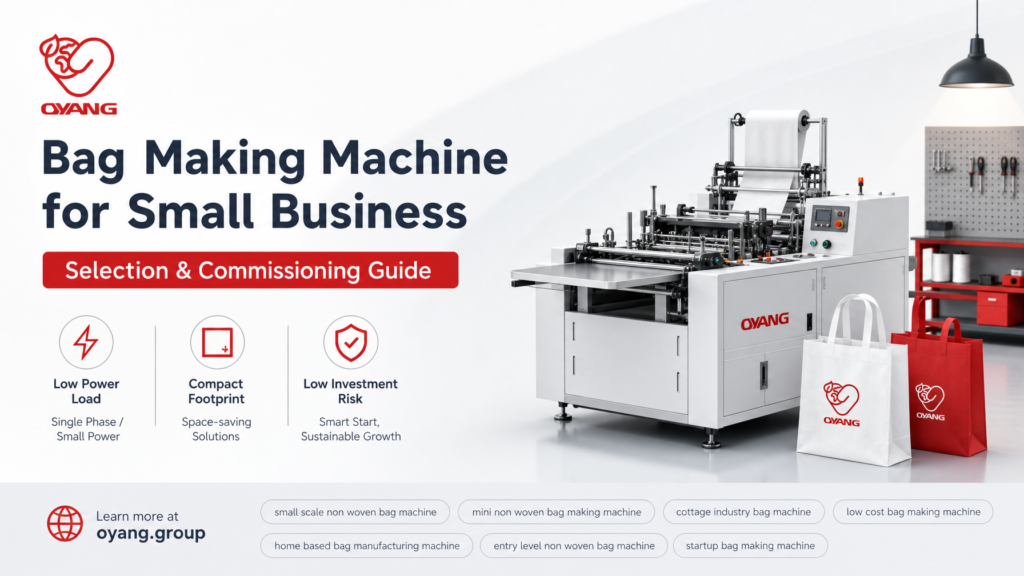
Bag Making Machine for Small Business: Startup Equipment & Commissioning Guide
A bag making machine for small business is an entry-to-mid-tier converting solution engineered specifically to eliminate heavy-asset capital exposure for startup entrepreneurs, regional job shops, and cottage industry producers. Operating effectively within compact footprints ranging from 50 to 90 square meters, an entry-level small scale non woven bag machine draws less than 15 to 18 kW total connected power. Configured with versatile 5-in-1 modular mechanics (such as the OYANG XB700/800 series) or compact box lines (like the OYANG 16S), these platforms yield stable outputs of 40 to 80 bags per minute, allowing new enterprises to launch commercial manufacturing with initial equipment capital under $30,000 to $50,000 USD.
The Reality of Starting Small: Power, Space & Working Capital
Entrepreneurs transitioning into eco-friendly bag manufacturing often lack access to large industrial zoning, heavy multi-hundred-kVA substations, or dedicated engineering maintenance teams. Designing a viable startup workshop demands matching machine architecture against three physical constraints:
1. Electrical Grid Availability
Many suburban light commercial or rural workshops lack dedicated 380V industrial grid transformers. Selecting machinery with modest total connected loads (under 18 kW) allows operation on small commercial power drops without six-figure substation upgrades.
2. Compact Workshop Dynamics
A standard 60 to 100 m² workshop must fit raw roll staging, the converting unit, finished bag bundling, and pallet lanes. A machine measuring under 8.5 to 9.5 meters in total length leaves essential clearance for safe material handling.
3. Multi-Format Risk Hedging
A startup rarely secures a single massive million-unit contract. Surviving the first year requires accepting diverse regional orders—from 5,000 pharmacy D-cut bags to 10,000 restaurant box totes—demanding flexible modular tooling rather than rigid single-purpose lines.
Equipment Configuration Matrix: Low-Risk Startup Options
Evaluating machine categories helps new business owners identify the exact platform that matches their initial order profile and budget:
| Configuration Tier | OYANG XB700/800 (5-in-1 Modular Platform) | OYANG 16S (Compact 3D Box Bag Maker) | Low-Cost Hand-Stitch / Assembled Scrap Units |
|---|---|---|---|
| Primary Bag Styles | Flat D-Cut, Bottom Gusset, Shoe Pouch, Soft Handle | Rigid 3D Box Bags + 2D Flat Carrier Bags | Manual seamed pouches / uneven stitch bags |
| Rated Speed | 40 – 100 bags/min | 60 – 80 bags/min | 0.5 – 1.0 bag/min per worker |
| Total Connected Load | 13 – 16 kW (Very low utility draw) | 18 – 22 kW | 2 – 5 kW (Multiple sewing tables) |
| Recommended Shop Space | 50 – 70 m² (Total floor requirement) | 65 – 90 m² | 120 – 160 m² (Crowded sewing tables) |
| Operators Required | 1 Operator for complete line operation | 1 Operator | 6 – 10 Sewing operators |
| Initial Equipment CAPEX | $28,000 – $38,000 USD | $48,000 – $65,000 USD | $8,000 – $15,000 USD (High hidden costs) |
| Commercial Rejection Rate | < 1.0% | < 0.8% | 6.0% – 12.0% (Manual stitch variation) |
The “Cheap Machine” Trap: Critical Mistakes Startups Must Avoid
Warning: Why Unbranded “Garage-Assembled” Converting Units Fail
Aspiring business owners often find tempting ads for ultra-low-cost machines ($10,000–$15,000) assembled by uncertified workshops. These machines typically use scrap structural steel, reclaimed sewing heads, and counterfeit analog ultrasonic power supplies. Within weeks of operation, analog ultrasonic generators drift out of resonance, burning through non-woven layers or producing weak cold welds. Worse, lack of rigid CNC-machined wallboards causes roller shafts to skew, resulting in irreversible web tearing and zero factory technical support.
To protect initial capital, small business owners must ensure their entry-level machinery incorporates three baseline engineering standards:
- Digital Auto-Tracking Ultrasonic Generators: Modern digital 15/20 kHz ultrasonic systems automatically compensate for ambient factory temperature and horn wear, maintaining consistent weld strength.
- Bus-Connected Servo Web Drives: Replacing mechanical ratchet feed gears with stepper or servo motors guarantees ±0.5 mm cut accuracy regardless of line speed.
- Verified Spare Parts Availability: Sourcing from established manufacturers like OYANG ensures standard off-the-shelf cutting blades, ultrasonic transducers, and pneumatic solenoids can be delivered promptly, preventing business-threatening downtime.
Industrial Build Quality in a Startup Footprint: MAZAK/OKUMA Machining
A common misconception is that compact or entry-level machines are built with compromised precision. At OYANG, every machine frame—whether for a multi-million-dollar mega line or a compact small-business platform—originates from the same precision engineering process.
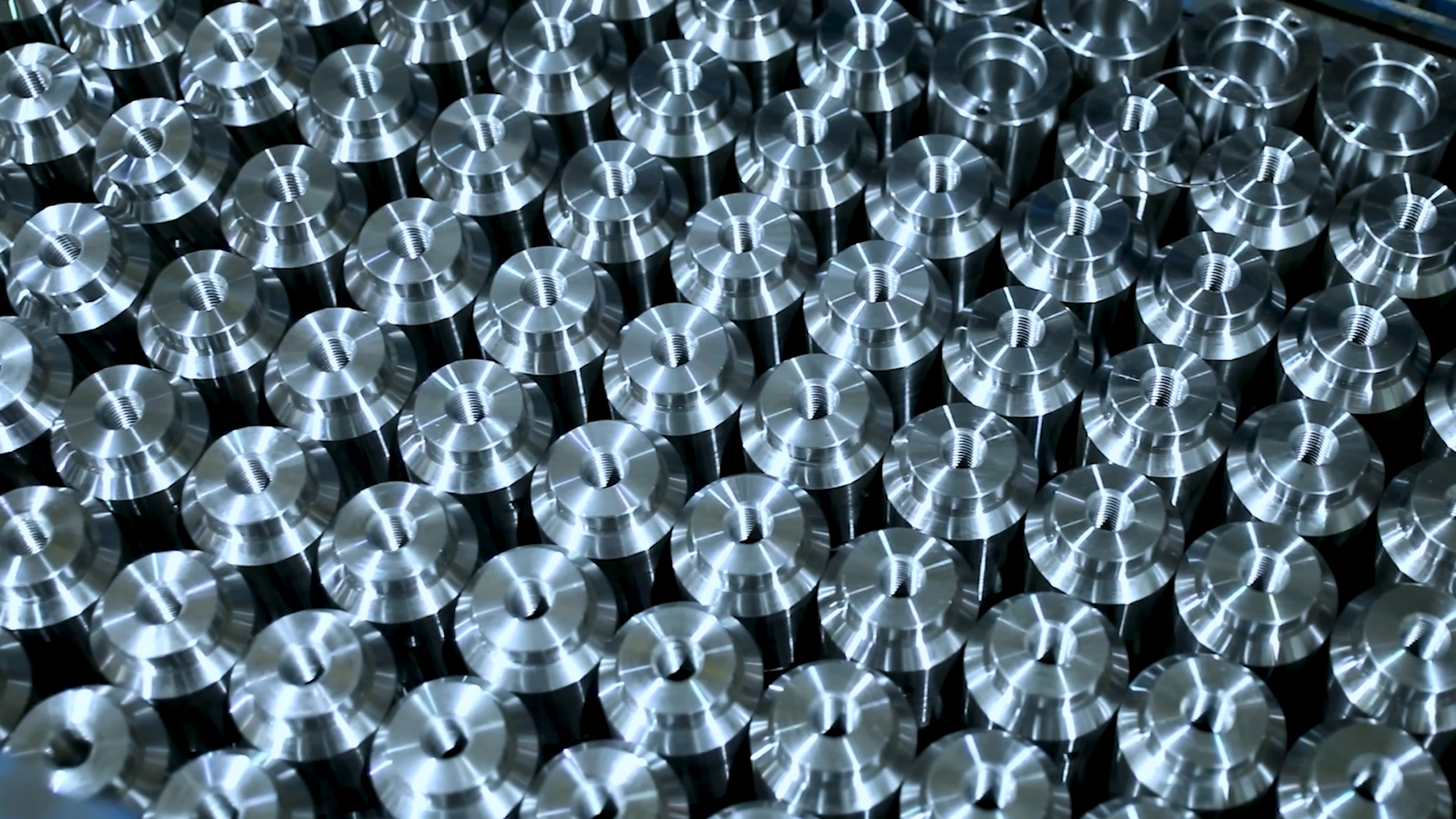
Compact machine wallboards, feeder rollers, and cutter housings machined to ≤ 0.015 mm tolerances on Japanese CNC centers.
Structural side plates and knife carriers across the OYANG XB and 16S compact series are processed on Japanese MAZAK and OKUMA 5-axis CNC machining centers. Holding planar tolerances within ≤ 0.015 mm prevents mechanical vibration and roller binding, allowing small operators to run multi-shift schedules with minimal maintenance overhead.
Recommended Machines for Small Business Operations

XB700/800 5-in-1 Multi-Format Line
The top recommendation for small businesses. Converts flat bags, D-cut bags, shoe pouches, and loop-handle totes with low 13–16 kW power draw and a compact sub-9m layout.
Explore XB Series Specs
OYANG 16S Compact Box Bag Maker
Entry-level 3D box bag production. Yields 60–80 bags/min, dual-mode 3D/flat conversion, and lower capital outlay for startups targeting retail shopping bags.
Explore OYANG 16S Specs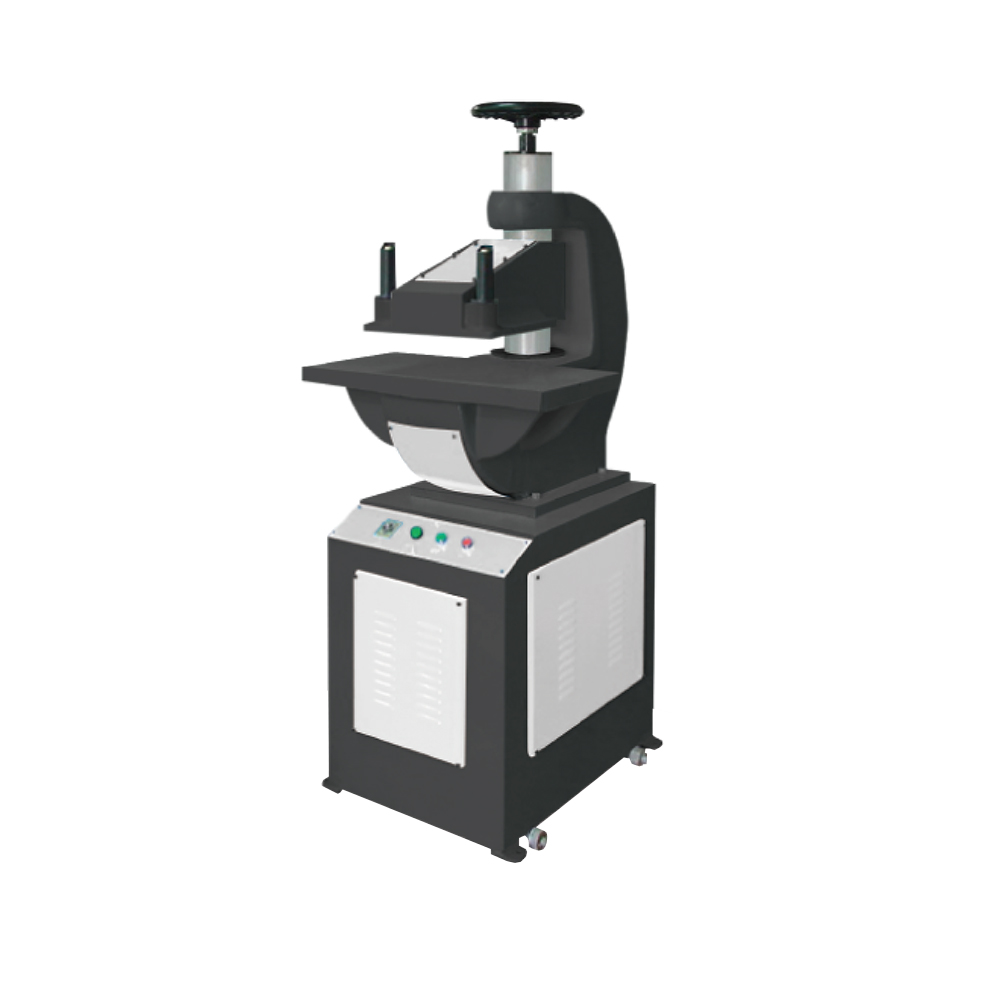
DSA-10T Hydraulic Punch Station
Affordable offline auxiliary punch. Delivers 10 tons of force for punching handle holes and custom shapes across bulk stacks of up to 100 bags per cycle.
Explore DSA-10T SpecsFrequently Asked Questions (FAQ)
Can a bag making machine for small business run on single-phase 220V power?
While high-speed industrial lines require 380V 3-phase electricity, compact auxiliary units and specific entry-level bag machines can be customized with single-phase 220V inverters or operated via compact low-kW rotary phase converters within domestic or light commercial workshops.
How much floor space do I need to start a small non-woven bag business?
An entry-level converting line like the OYANG XB700 requires a footprint of approximately 8.5 meters by 1.8 meters. Including raw material staging, a packaging table, and finished bag pallet storage, a workshop of 50 to 80 square meters is sufficient to begin commercial production.
How many people are needed to operate a small scale bag converting machine?
A modern compact bag making machine requires only 1 full-time machine operator to monitor web tracking and feed rolls, with 1 additional helper recommended for bundling, packing finished bags, and staging boxes.
What is the most versatile machine style for a startup packaging workshop?
A 5-in-1 multi-functional converting machine (such as the OYANG XB700/800 series) is the most versatile option because it allows a new business to manufacture flat bags, D-cut bags, bottom-gusset carry bags, and shoe pouches on a single platform without buying separate standalone machines.
What is the average payback period for a small business bag machine?
Operating a compact machine like the XB700 or OYANG 16S at modest daily volumes of 15,000 to 25,000 bags typically allows startup owners to recover their initial equipment investment within 6 to 9 months of active commercial production.
Start Your Bag Converting Venture with Confidence
Avoid costly initial investment mistakes. Contact OYANG’s small business technical advisors to receive a customized workshop layout plan, utility checklist, and entry-level machinery quotation tailored to your startup budget.